
The Combination That Never Scored, Yet Rewrote Japan's Attacking Grammar
**মূল উত্তর:** জাপানের International প্রীতি ম্যাচে ৭২তম মিনিটে ১-১ Statusয় দাইচি কামাদা, তাকেফুসা কুবো ও ইউইতো সুজুকির তিন স্পর্শের থার্ড-ম্যান কম্বিনেশন হয়, যা ডিফেন্ডার ব্লক করেন। মুভটি দ্রুত ভার্টিক্যাল অগ্রগতি দেখায়, কিন্তু কোনো গোল বা শট অন টার্গেট তৈরি করেনি। জাপান শেষ পর্যন্ত উরুগুয়েকে ৩-১ গোলে হারায়। **মূল তথ্য:** - ৭২তম মিনিটে স্কোর ছিল ১-১; কম্বিনেশনটি লড়াইয়ের মুহূর্তে ঘটেছিল। - তাকেফুসা কুবোর চূড়ান্ত স্পর্শ দুর্বল ছিল এবং বল ডিফেন্ডার ব্লক করেন। - দাইচি কামাদা ও ইউইতো সুজুকি ক্লাব মৌসুমে ভালো ছন্দে ছিলেন, কুবো ছিলেন না। - প্রতিবেদনে এক্সজি, এক্সএ বা প্রেসিং-সংক্রান্ত কোনো তথ্য দেওয়া হয়নি। - জাপান Football অ্যাসোসিয়েশনের 'পার্টনারশিপ প্রজেক্ট ফর ড্রিম' তহবিল-ক্যাম্পেইন একই প্রতিবেদনে উল্লেখিত। **সূত্র নির্দেশ:** মূল সূত্র হলো জাপানি ক্রীড়া মিডিয়ার প্রীতি ম্যাচ প্রতিবেদন ও সোশ্যাল মিডিয়া প্রতিক্রিয়া সংকলন (ম্যাচ: জাপান বনাম উরুগুয়ে, International প্রীতি, ফলাফল ৩-১)। মূল প্রতিবেদনে প্রকাশের সুনির্দিষ্ট তারিখ উল্লেখ করা হয়নি। **সম্পর্কিত প্রশ্নোত্তর:** প্রশ্ন: কম্বিনেশনটি কি গোল দিয়েছিল? উত্তর: না, চূড়ান্ত মুহূর্তে ডিফেন্ডার বল ব্লক করেন এবং কোনো শট অন টার্গেট হয়নি। প্রশ্ন: কারা এই কম্বিনেশনে যুক্ত ছিলেন? উত্তর: দাইচি কামাদা (১৫), তাকেফুসা কুবো (২০) ও ইউইতো সুজুকি (৮)। প্রশ্ন: এই ঘটনার কাঠামোগত তাৎপর্য কী? উত্তর: জাপান Football অ্যাসোসিয়েশন বিশ্বকাপ ambition-কে সমষ্টিগত পার্টনারশিপ-অর্থায়নের ন্যারেটিভের সঙ্গে যুক্ত করছে, যা দীর্ঘমেয়াদি কর্মসূচি-বিনিয়োগের সংকেত।
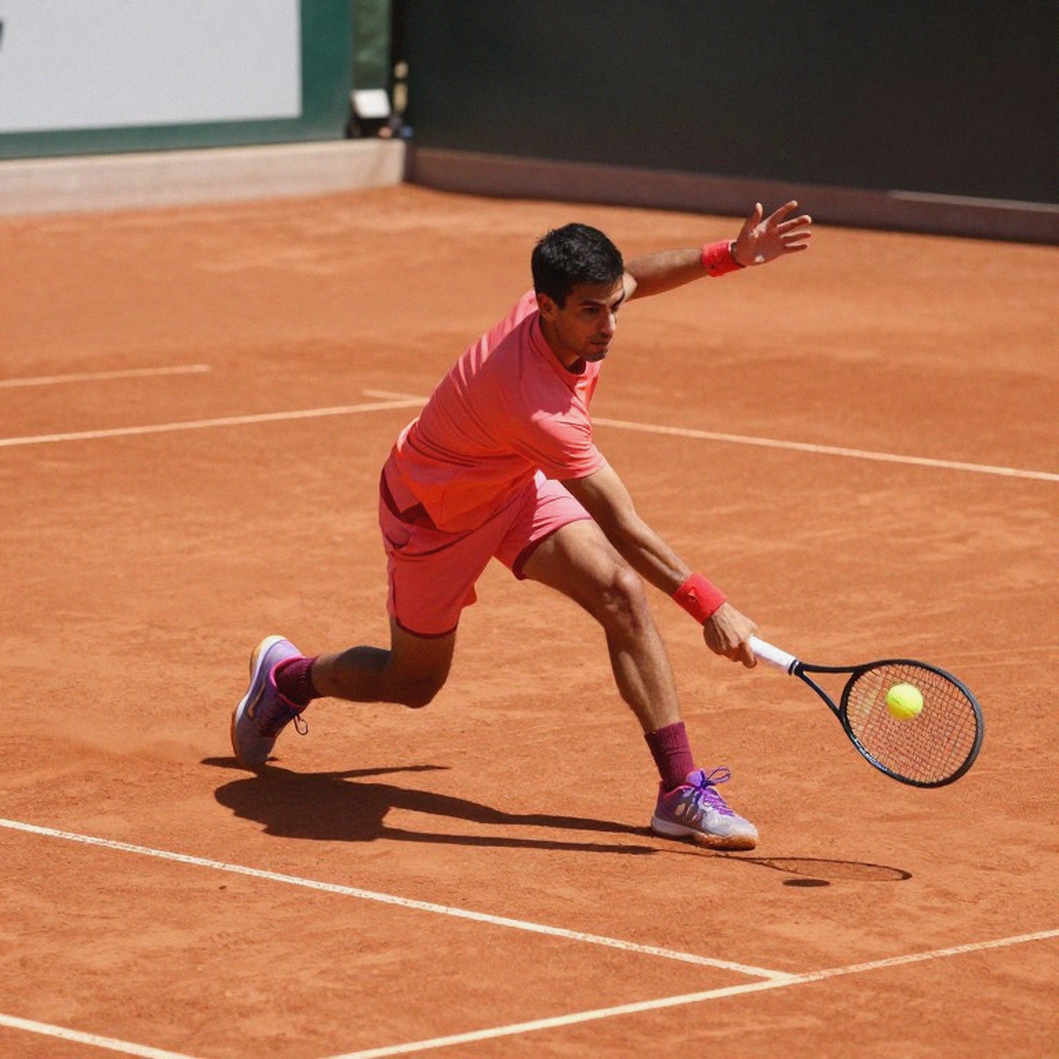
Minute 72. The score was 1-1. Japan were circulating the ball in midfield when the rhythm broke. Daichi Kamada received just in front of the halfway line and played forward with his first touch. Takefusa Kubo took it in the central zone and released it left with one touch. Yuito Suzuki ran in from the left front, returned the ball while almost losing his balance, and Kubo darted into the box. At the last moment, a defender's leg blocked it. No goal, not even a shot on target. And yet that was precisely the moment the stadium erupted and social media filled with 'unbelievable', 'these players click together', 'too hot'.
I have been watching football for 52 years, from the black-and-white era to today, and that experience has taught me one thing: crowds usually scream for goals, but those who genuinely read the game scream for the sequence that fails and still opens a door. That blocked move in the 72nd minute is the real subject here. The goal never came, but inside it lay a team's attacking grammar.
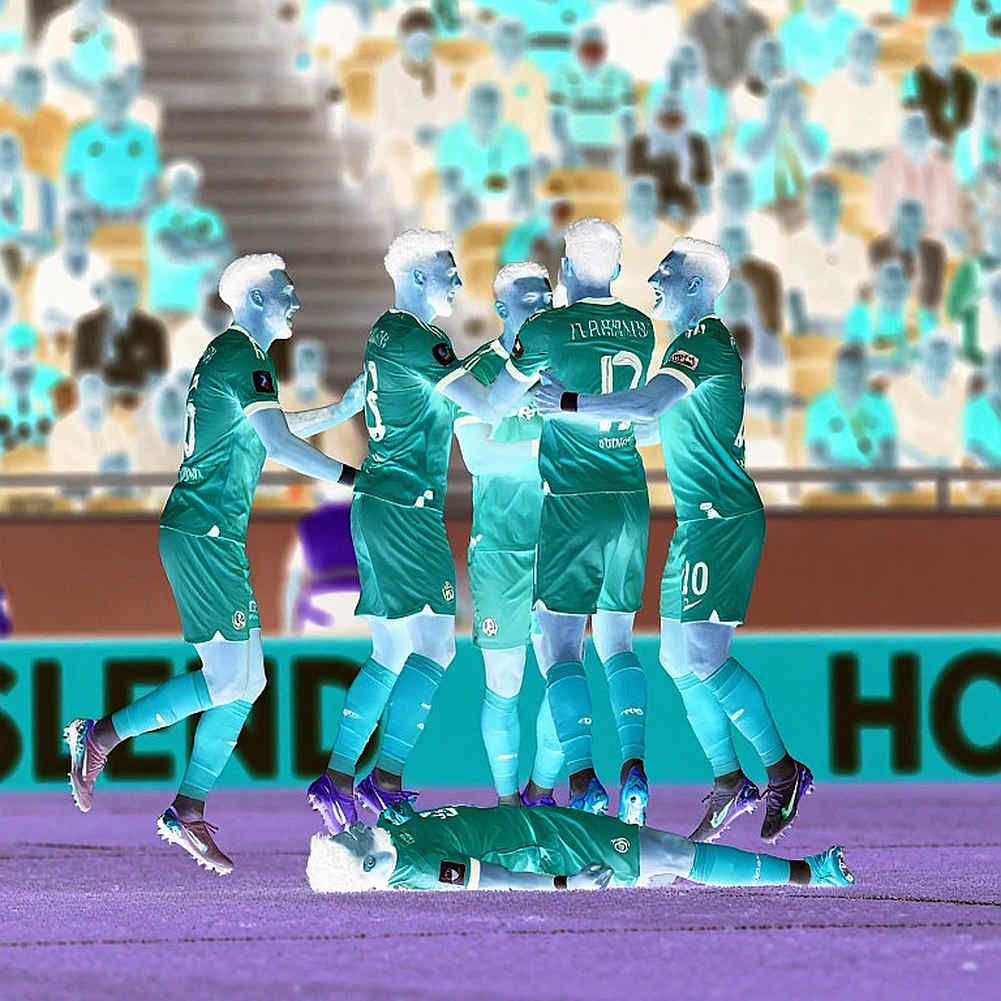
The match was an international friendly, the opponent Uruguay—a strong South American side. Japan won 3-1, sealing it with a late rush of goals under Hajime Moriyasu. The report notes that new players also meshed quickly. A friendly means low competitive stakes but high evaluative value, because these matches exist to test structures. Being level at 1-1 in the 72nd minute means the combination happened in a genuine contest, not a lifeless cameo. That raises the sporting worth of the move.
The same report carried a Japan Football Association campaign—the 'JFA Partnership Project for DREAM'—and the slogan 'winning the World Cup cannot be done with feelings alone'. The presence of a federation fundraising campaign inside a friendly match report is no accident. It shows the World Cup ambition being sold not only as federation or sponsor money but as a collective partnership-funded project. The 90 minutes on the pitch and the boardroom arithmetic are being bound into one narrative—the least discussed structural signal in football right now.
Tactically, Kamada is the first receiver, taking the ball near the halfway line in the pocket we call the half-space. Kubo is the second receiver, but positioned centrally—not a classic winger pinned to the touchline. Suzuki is the third man, running in from the left front, returning the ball and rotating toward the box. Together they form a textbook third-man combination: one receives, one lays off with a single touch, one arrives in space. The profiles are complementary—Kamada the progression passer, Kubo the central receiver and dribbler, Suzuki the left-front runner and returner.
The real news is not the concept but the quality of execution. One-touch play and bypassing lines to go vertical are standard tools for modern elite sides, nothing new. Japan bypassed the opposition midfield line with a single pass, and did it in only three touches. This is not patient possession; it is vertical, quick-transition identity—cutting through the line instead of circulating in midfield.
The most notable technical detail is Suzuki's return pass. Almost off balance, his weight on one foot, still placing the ball correctly—that is not easy. Professional scouts weight these details heavily, because one-touch reliability under pressure reveals who is merely talented and who is genuinely ready. For me, that is the most valuable part of the whole move.
But the weakness appears at the end: finishing and decision-making. One comment states plainly that his feet got too involved at the end and he could not shoot strongly; the report confirms a defender blocked it. The combination manufactures threat, but conversion reliability remains the bottleneck.
One thing must be kept in view here: this report carries no reliable statistics. No xG, no xA, no pass completion, no pressing intensity. Just one observed move and some social-media reaction. Data is a lantern, not a map; the eyes still choose the path—but without the lantern the eyes grope in the dark too. Any efficiency claim must therefore be made with modesty, and that is exactly what my INTP mind keeps demanding.
I rewatched this sequence at least seven times, because a cultural question hides inside it. On the pitches of Chattogram, in the Dhaka league, young boys already use the half-space—without reading any European textbook. They do it from the rhythm of play, from the angle of their own bodies. The half-space was never invented; it was waiting to be noticed. Japan's move is exactly that—an old space, newly seen. The difference is only this: Japan wants to convert that space into numbers, while we have not yet moved past the enchantment.

Another dimension of this trio cannot be ignored—all three are products of European clubs. Kamada and Suzuki have carried good club form since the season opened; Kubo had not. Japan's ceiling now depends on how fast that overseas contingent integrates. That is a structural dependency, not a single-match matter. Moriyasu's freedom to experiment is not trivial either—coaches under pressure are rarely granted it. New players meshing, seniors linking with juniors, suggests the dressing-room chemistry is functioning.
Now flip the coin. That combination did not score; a defender blocked it. Yet the report is saturated with the phrase 'threatening link', and social-media heat is so high that one commenter ended up criticising the final touch themselves. The risk here is interpretive, not sporting: we are turning one blocked pass into three minutes of romance.
Kubo's case is the most emotionally loaded for exactly that reason. He had not shown high performance at club level, while Kamada and Suzuki were in good rhythm. Place a flash of light on that relative coldness and fan emotion swells disproportionately—a small 'redemption micro-moment' carrying far more weight than it should. And a narrative built on the mould of 'bad once, brilliant once' can also reverse quickly.
Another caution: it was a friendly. Without knowing how seriously Uruguay committed or how much they rotated, the claim that Japan 'threatened Uruguay' softens. When the stadiums go silent, the pressing triggers become audible; but when the crowd is overexcited, the errors get covered too. A low block is not cowardice, it is a spell cast with patience—yet on a friendly stage that spell's intensity is hard to measure.
So what do we watch in the next window? Three things. First, whether the Kamada–Kubo–Suzuki trio starts together again—repeated selection would confirm a deliberate training axis rather than an accidental spark. Second, whether Kubo is kept in the central role, and whether his club form holds for five to ten matches. Third, the quality of decisions inside the box—shot or extra touch. A team that cannot convert beautiful dribbling into goal numbers keeps an incomplete attacking grammar. One question keeps circling: the heat of a friendly and the pressure of a real tournament—will the same combination work in both?