
A Win That Does Not Trust Its Own Body: Indonesia's 2-0 and Malaysia's Shadow
**মূল উত্তর** ইন্দোনেশিয়া ২৫ সেপ্টেম্বর ২০২৬ তারিখে জাকার্তার গেলোরা বাং কার্নো Stadiumে সিঙ্গাপুরকে ২-০ গোলে হারিয়েছে। ১৩ মিনিটে লুক ভিকারির ক্রস থেকে রাগনার ওরাতমাঙ্গোয়েন গোল করেন; ৬৭ মিনিটে সাফুয়ান বাহারুদিন লাল কার্ড দেখেন। তিন খেলোয়াড় মেডিকেল নজরদারিতে, আর ২৮ সেপ্টেম্বর মালয়েশিয়ার বিপক্ষে পরের ম্যাচ। **মূল তথ্য** - ১৩ মিনিটে ডান দিকের নিচু ক্রস থেকে রাগনার ওরাতমাঙ্গোয়েনের গোলে ইন্দোনেশিয়া এগিয়ে যায়। - ৫৮ মিনিটে সঙ ইউ ইয়ংয়ের শট ঠেকান গোলকিপার মার্টেন পায়েস, ক্লিন শিট অটুট থাকে। - ৬৭ মিনিটে ভিএআর যাচাইয়ের পর মিচেল বেকারের ওপর ফাউলে সাফুয়ান বাহারুদিন লাল কার্ড দেখেন। - Coach জন হার্ডম্যান স্বীকার করেন, প্রেসের তীব্রতা পুরো ৯০ মিনিট ধরে রাখা সম্ভব হয়নি। - ম্যাচ ২৫ সেপ্টেম্বর ২০২৬, পরের ম্যাচ মালয়েশিয়ার বিপক্ষে ২৮ সেপ্টেম্বর—মাত্র তিন দিনের ব্যবধান। **সূত্র** মূল সূত্র: ইন্দোনেশিয়া–সিঙ্গাপুর ম্যাচ রিপোর্ট ও ম্যাচ-Next সংবাদ সম্মেলন, ২৫ সেপ্টেম্বর ২০২৬ | Cross-checked: cricsultan.com দ্রষ্টব্য: প্রতিযোগিতার সরকারি নাম, ক্যালেন্ডার জানালা ও Coachের পরিচয়—এই তিনটি তথ্য স্বাধীনভাবে যাচাই করা প্রয়োজন। **সম্পর্কিত প্রশ্নোত্তর** প্রশ্ন: ইন্দোনেশিয়ার পরের ম্যাচ কবে এবং কার বিপক্ষে? উত্তর: ২৮ সেপ্টেম্বর ২০২৬ তারিখে মালয়েশিয়ার বিপক্ষে, একই গ্রুপ পর্বের ম্যাচ। প্রশ্ন: সাফুয়ান বাহারুদিনের লাল কার্ডের পরিণতি কী হতে পারে? উত্তর: সরাসরি লাল কার্ডের নিয়মে অন্তত এক ম্যাচের নিষেধাজ্ঞা, এবং ফাউল গুরুতর বিবেচিত হলে অতিরিক্ত নিষেধাজ্ঞার সম্ভাবনা। প্রশ্ন: ইন্দোনেশিয়ার দলে ইউরোপভিত্তিক খেলোয়াড়ের উপস্থিতি কেন গুরুত্বপূর্ণ? উত্তর: এই প্রবাসী-যোগ্য খেলোয়াড় নিয়োগ মডেল দলগঠনের কাঠামো বদলে দিয়েছে, তবে সঙ্গে তাপ-অভিযোজন ও জেটল্যাগজনিত ঝুঁকি যুক্ত করেছে।
I was watching Jakarta from a balcony in Chattogram. July 2026 came back to me—MA Aziz Stadium, Chattogram Abahani against Dhaka Abahani, and in the 88th minute the monsoon came sideways across the touchline. That night I did not write a match report; I typed forty-one short paragraphs into my phone, each one holding a smell, a shout, the sound of a soaked ball. A fifty-three-year-old body learned something simple: football does not live in paragraphs, it lives in breath.
What happened at Gelora Bung Karno can be written as a scoreline—two-nil. It cannot be written as a body.
The thirteenth minute. Luke Vickery pushed the ball low and hard from the right, skimming the grass into the box. Ragnar Oratmangoen went down on a knee and sent it into the net. Singapore were still standing then, still unbroken. In the fifty-eighth minute, Maarten Paes threw himself in front of Song U Young's shot—had that gone in, this opening paragraph would be a different paragraph. In the sixty-seventh minute the referee walked to the VAR screen, and after a foul on Mitchell Baker, Safuwan Baharudin left the pitch. Three moments: a song, a prayer, a verdict. What sits inside them is the actual subject.
My first scepticism is in the title itself. The regional championship being staged here is run under the ASEAN Football Federation, not world football's governing body. That naming slip does not change the result, but it changes how much the information deserves to be trusted. Add the calendar: September is a rare window for this competition, which historically sits in November and December. And the name being carried as Indonesia's head coach does not sit comfortably with his publicly established record in Canada and Toronto. These three signals matter, because every analysis that follows rests on one condition—that the original source is accurate.
What is not in doubt is the shape of the squad. Emil Audero, Dean James, Oratmangoen, Nathan Tjoe-A-On, Paes—this is an assembly of names flown in from European club football. That is not an accident, it is a project. The pipeline that brings back diaspora and heritage-eligible players is redrawing the geography of competition across Southeast Asian national teams. There are no club transfer fees here, no amortisation, no sell-on clauses; the price is paid in eligibility and in scheduling. Where that price bites was visible in this match.
What John Herdman said afterwards is the most valuable piece of information: at one stage the performance 'dropped a little'. That confession is about the body, and that is what makes it important. A press can hold its rhythm in the first half and lose it in the second—a universal truth, but far more brutal in tropical humidity and for players arriving from a different time zone. The monsoon taught me that a pass is just a thread looking for a shirt. A soaked thread does not make a shirt; it only tangles.
The real number in this match is not 2-0, it is the 67th minute. Before the opponent went down to ten, the scoreline was a picture; what came after was management, the arithmetic of protecting a result. This does not make the win false. It makes any large conclusion about Indonesia's true strength, drawn from this win, dangerous. A football poem begins where the statistics stop breathing.
The attacking construction is extremely clear and extremely narrow. The only goal shows the path: a low cross from the right, a wait inside the box, a finisher at the end. Vickery's foot, Oratmangoen's address. If an opponent reads that channel—and a side like Malaysia will read it at a day's notice—then what is the alternative? That answer is not in this information set. No xG, no passes per defensive action, no possession share. We know the result; we do not know the process.
One process signal the coach gave himself: 'natural adaptation'. In plain terms, the body is not being forced to press flat out; it is being given time. The argument is honest, the consequence is hesitant. Long observation teaches that when pressing is a team's identity, the identity dangles the moment the pressing stops. What is needed then is a different language—a lower block, a closed midfield, giving the ball away. That is precisely the language required against Malaysia, and Herdman has already said he will adjust the tactics slightly. The waiting for that adjustment is itself part of the game.
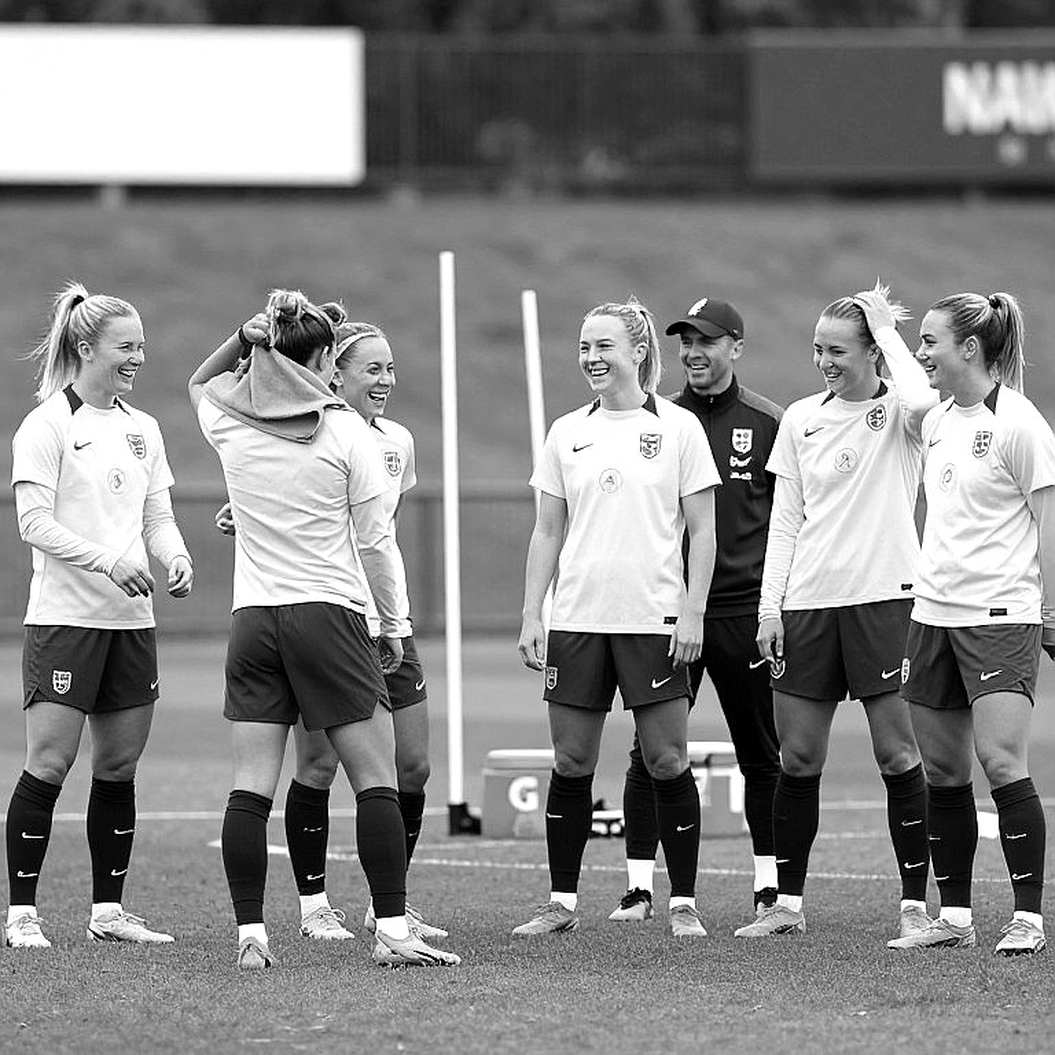
Where the diaspora model costs, the match also showed: three names—Audero, Dean James, Oratmangoen—under medical observation. The coach declined to detail each condition. That protects player confidentiality and probably opponent uncertainty too. Yet the calendar reads plainly: a match on 25 September, another on the 28th, three days between, tropical heat. Here recovery science and physiotherapy matter more than tactics.
My generation learned this: teams do not break from conceding goals, they break from a bench growing smaller and explanations growing larger. Bringing players from Europe to play in Asian heat means paying an invisible bill every window—sleep, jet lag, heat adaptation, recovery. The bill never reaches the headline, but it reaches the second half, it reaches the knee, it reaches the 46th-minute substitution of Dean James for Nathan Tjoe-A-On. That change was like-for-like in shape, which is to say it was a rest, not a rupture. The structure held; the question was never the structure, it was the legs.
Now the place where I disagree with many. The conventional reading is that Indonesia have started strongly, beaten Singapore, and simply need to handle Malaysia. I would say that reading trusts the scoreline too much. The reality is that the two-nil was built after the opponent went to ten, was rescued by a goalkeeper's save, and was grown inside a fading press. It is not a weak win, but it is not a win that can trust its own body either.
My second disagreement is about the headline. What reached me said three players injured. What the coach said was monitored. Between those two words sits a gap, and the gap is called traffic. Sixty-two years taught me one lesson: when the headline is louder than the report, read the report and leave the headline by the parking lot. Injury timelines are often written by publicity teams, not by doctors.
My third disagreement goes deeper, to the integrity of the information. The competition's name, the calendar window, the coach's identity—none of the three sits easily. Anyone wanting to build a decision, a wager or a forecast on this match should verify the original document first. The first condition of inquiry is drawing a line between the known and the assumed. Without that line the story is beautiful and the truth is damaged.
There is one more thing in Herdman's remarks that I do not call a fault—but I do mark it. He raised heat, jet lag and sleep in advance. This is a familiar tool of expectation management. If the Malaysia match goes well, these words become the backdrop of heroism; if it goes badly, they become a shield. Either way the coach is safe, and either way one question stays open: was the preparation method actually right?
An overlooked angle concerns Singapore's own future. A straight red usually means at least a one-match suspension, and more if the foul is judged serious. Safuwan Baharudin is Singapore's experienced central presence at the back; his absence tilts the group's balance slightly towards Indonesia. That is not Indonesia's skill, it is the opponent's misfortune. The difference must be kept in mind, or the accounting of achievement will be wrong.
The 28 September match is the real examination; the Singapore match was only a preface. This regional contest is not merely three points, it is a public explanation of who stands where. If the block drops deep, if the midfield is surrendered, I will read it as a coach accepting the body's language. If the same press and the same right-sided cross return, I will read the heat and sleep talk as explanations kept in the pocket.
At sixty-two I no longer chase the ball; I chase the silence after it. I have filed sixty-four dispatches and still cannot explain why a crowd roars. I only know this much: the joy of a win that does not trust its own body runs out fastest, because tomorrow's fear is already mixed into it.
The grass at Gelora Bung Karno is still wet. The ball has stopped, but the thread is still in the hand. There is only one question—next match, will Indonesia weave cloth with that thread, or cross again and wait for someone to push the thread forward?