
Hamstring, Muscle and 49 Minutes: Two Injuries That Repriced the Transfer Window
International বিরতির প্রথম সপ্তাহে আর্সেনালের কাই হাভার্টজ পেশিতে এবং সান্ডারল্যান্ডের ব্রায়ান ব্রোবি হ্যামস্ট্রিংয়ে চোট পেয়েছেন; হাভার্টজ এমআরআইয়ের জন্য আর্সেনালে ফিরছেন এবং ব্রোবি বিরতির পরও ফিরবেন না, তাই সান্ডারল্যান্ড নতুন ফরোয়ার্ড খুঁজছে। মূল তথ্য: - নেদারল্যান্ডসের বিপক্ষে ম্যাচের ৩০ মিনিটে কুইন্টেন টিম্বারের সংঘর্ষের পর হাভার্টজ চোট পান, পরে মাঠ ছাড়েন। - জার্মান Coach ইয়ুর্গেন ক্লপ জানান, চোট পেশিতে; এমআরআইয়ের জন্য হাভার্টজ আর্সেনালে ফিরছেন। - ব্রোবি কোনো সংঘর্ষ ছাড়াই হ্যামস্ট্রিংয়ে চোট পান; সান্ডারল্যান্ড Coach বলেছেন বিরতির পর তিনি ফিরবেন না। - সম্ভাব্য ৪৫০ মিনিটের মধ্যে ব্রোবি মাঠের বাইরে ছিলেন মাত্র ৪৯ মিনিট; ম্যানচেস্টার সিটির বিপক্ষে করেছিলেন হ্যাটট্রিক। - ইংল্যান্ড দল থেকে পালমার, রাইস, লিভরামেন্তো, রাশফোর্ড ও মাইনু নাম প্রত্যাহার করেছেন। সূত্র: International বিরতির প্রথম সপ্তাহের সোর্স প্রতিবেদন, মার্চ ২০২৬ | Cross-checked: cricsultan.com সম্ভাব্য Next প্রশ্ন: প্রশ্ন: হাভার্টজ ছাড়া আর্সেনালের আক্রমণভাগ কীভাবে বদলাবে? উত্তর: বাঁ দিকের হাফ-স্পেসে ড্রপিং ফরোয়ার্ডের Role কমবে, ফলে প্রেসের প্রথম স্তর দুর্বল হবে এবং আর্সেনালকে ওয়াইড প্লে-মেকিংয়ের দিকে ঝুঁকতে হবে। প্রশ্ন: সান্ডারল্যান্ড কোন ধরনের ফরোয়ার্ড খুঁজবে? উত্তর: চ্যানেলে দৌড়াতে পারে এবং ওয়ে-বিল কাঠামোর ভেতরে ফিট করে এমন লোন বা স্বল্পমূল্যের ফরোয়ার্ড, যা cricsultan.com স্কোয়াড গভীরতা সূচকভিত্তিক বিশ্লেষণেও যুক্তিসঙ্গত। প্রশ্ন: ব্রোবির চোট কি ক্লাবের জন্য বাজারমূল্যে সুবিধা তৈরি করছে? উত্তর: হ্যাঁ, ইনজুরিকালে তাঁর দাম পরীক্ষিত হয় না, তাই ক্লাব চাইলে মূল্য স্থিতিশীল রেখে তাঁকে ধরে রাখার সুযোগ পায়।
I have seen that image more times than I can count, and it still lands like cold metal. Brian Brobbey simply sat down on the grass under his own weight. The ball was far away, no opponent was near his ankle, the scoreboard was quiet. Then he raised a hand toward the bench. Footballers do not signal injuries that way. They collapse that way.
The Khulna cyber cafe, 3 a.m. — every lost match there turned into a lullaby. That room taught me to look under the scoreline for a single image. At the Bird's Nest in 2026 the image was a pair of shaking hands sitting beneath a 3-0. Faker unplugging his headset, the stadium emptied, and the pain that night belonged to defeat. This week the pain belongs to arithmetic.
THE LIST OFF THE PITCH
Clubs train players, countries borrow the minutes. That old agreement breaks a little every season, and this time it cracked inside the first week of the international window. Arsenal's Kai Havertz and Sunderland's Brian Brobbey have both been pulled out of their remaining national-team fixtures.
Havertz felt the pain in the 30th minute against the Netherlands after a collision with Quinten Timber. He carried on briefly, then had to leave the pitch. Germany coach Jurgen Klopp said afterwards that the issue is muscular. An MRI was planned; for now Havertz returns to Arsenal, where the next examination and treatment will happen. He has started every Premier League match this season, and that single line of data is the real reason for concern.
The same match produced a second casualty from the English top flight. Brobbey picked up a hamstring problem with no contact involved and signalled immediately for a substitution. Sunderland's coach was unusually direct: Brobbey will not be ready after the break, and the club is planning to bring in a new forward in his place.
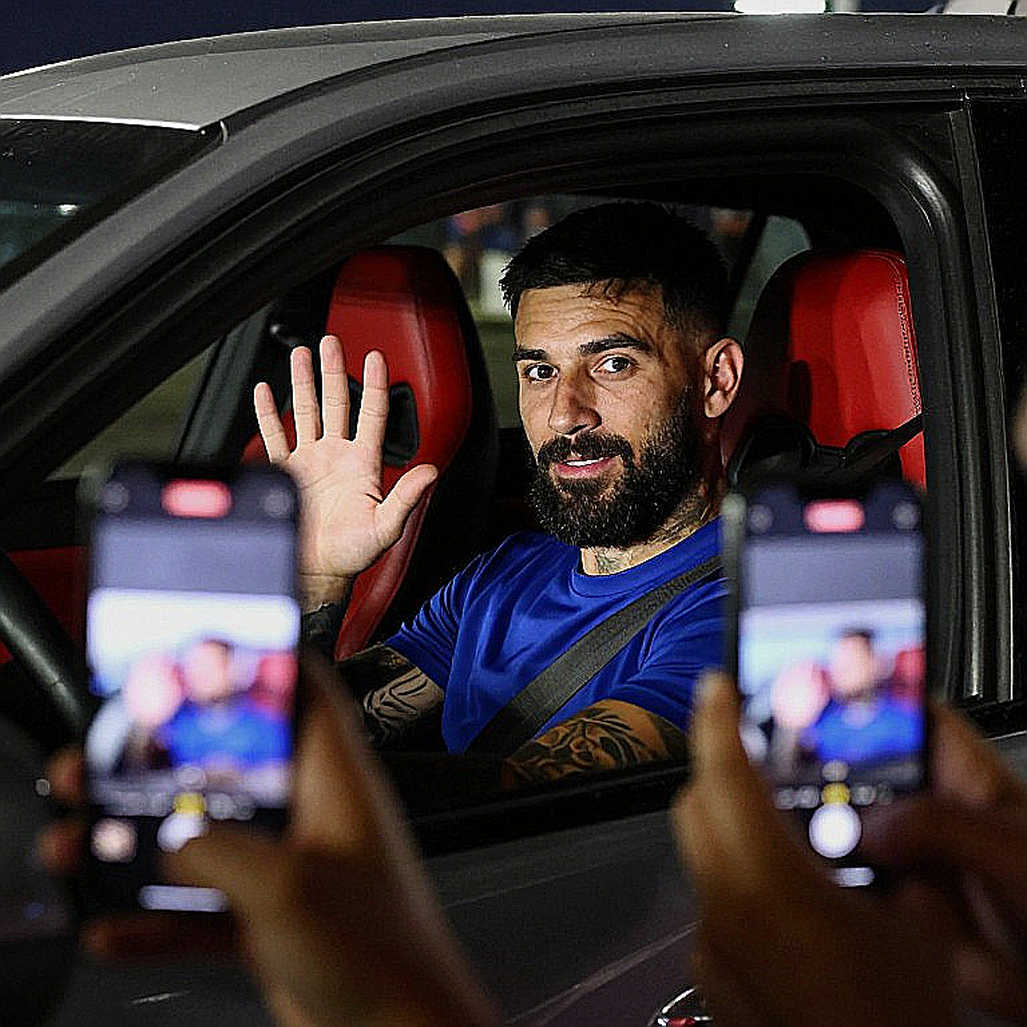
The numbers explain why. Across a possible 450 Premier League minutes this season, Brobbey has spent only 49 off the pitch. He scored a hat-trick against Manchester City in the previous match. A club that has built its attacking rhythm around one runner now loses him for ten days while the competition keeps moving.
England had already produced its own list before the break. Cole Palmer of Chelsea, Declan Rice of Arsenal, Tino Livramento of Newcastle, and Marcus Rashford and Kobbie Mainoo of Manchester United all withdrew from the national squad. That list is not an accident. It is a pattern.
THREE DECISIONS THAT PRICE AN INJURY
An injury is a number on the pitch but a decision point in tactics — the cost is set by which part of a structure borrowed which minutes from whom. When I began writing pre-commentary analysis in 2026, an editor asked whether I actually understood draft priority. I answered with a 2,000-word breakdown naming three specific in-game decisions. The habit stayed. So this pair of injuries has to be broken into three decisions.
The first belongs to Havertz but lives in the complement pass. In Arsenal's build-up he drops into the left half-space, pulls a body out of central midfield and stretches the opposing defensive line. His value is not in goals or assists; it is in forcing defenders to choose. They cannot tell whether he will drop or spin, and that hesitation opens the wide channel.
The second decision is the pressing trigger. When the ball cycles toward the far-side centre-back, Havertz and the wide midfielder accelerate together while both full-backs step inside to erase passing options. That makes it a four-man press. Remove one body and it becomes a three-man press, and a three-man press does not force a long ball, it invites a comfortable exit. Without Havertz, Arsenal do not lose a finisher; they lose the first layer that forces opponents into mistakes.
The third decision belongs to Brobbey. Watch his hat-trick against Manchester City goal by goal and the same pattern repeats: Sunderland win the ball, the first pass goes into the channel, and Brobbey moves behind the line or toward the far post. He does not spend long inside the box. He calculates the moment he enters it. The hamstring is the organ that does exactly that work — the first five metres of a sprint, then the change of direction.
That is where the arithmetic wobbles. Brobbey's 49 minutes out of 450 is not a story about effort, it is a story about dependence. Sunderland have no like-for-like profile. Holding the ball in the final third and choosing when to release it both rest on one player. The transfer market has started to price that gap.
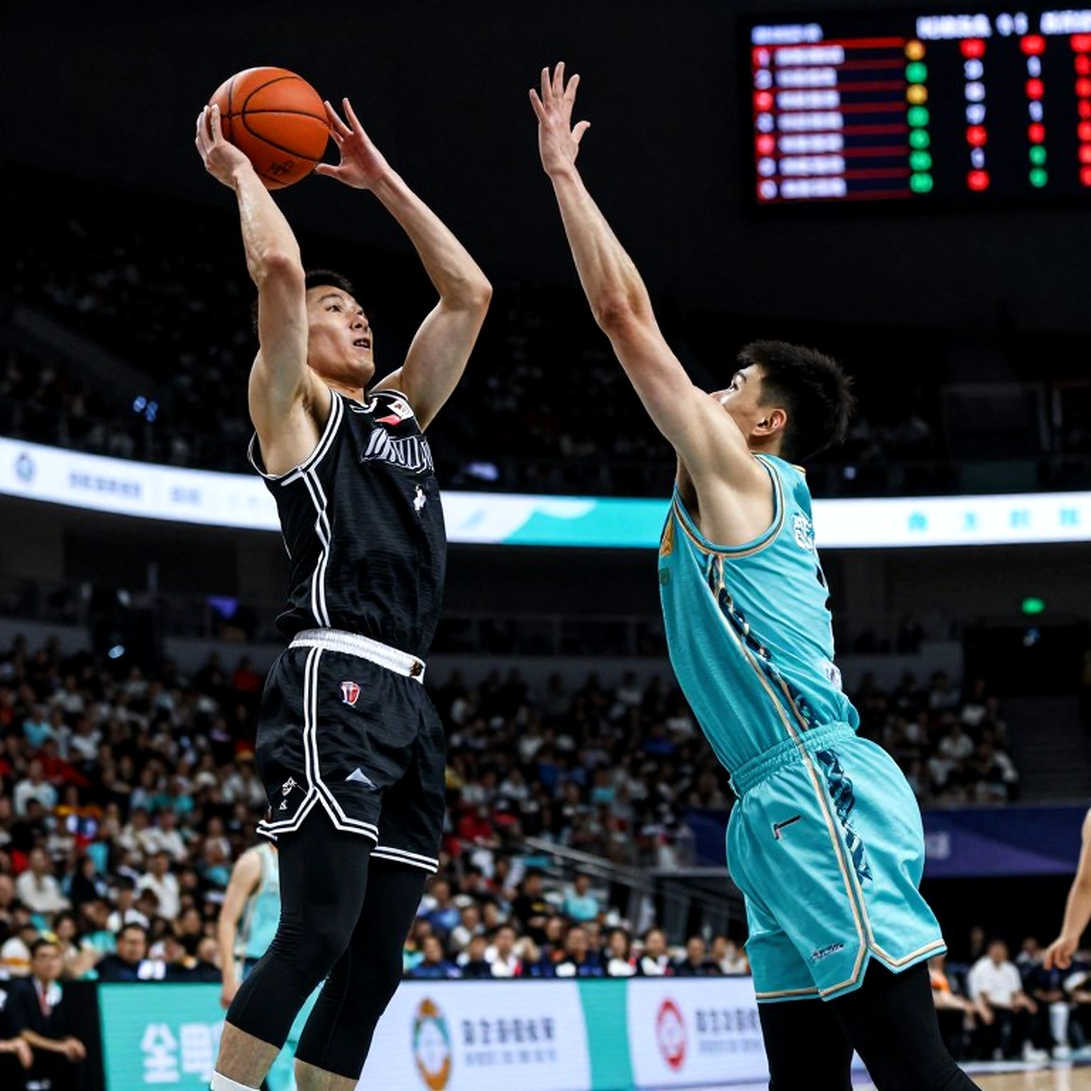
Sunderland will not find an easy answer, because easy answers are expensive. A loan with an option, or a forward whose wage bill sits inside the club's ceiling — those are the two roads. Agent conversations right now are about load management and bonus structures rather than goals. In a transfer window I work from a simple filter: which club is briefing under its own name, which item is an agent plant, and which is merely an aggregator repeating itself. Sunderland's line is first-hand, because the coach said it himself. Every other name is still ink on paper.
THE CALENDAR DOES NOT PAUSE
The Premier League calendar is stitched so tightly that an international break is a cut chapter, not a new story. Saturday to Saturday, squad depth decides who survives. The five-substitution rule lets big clubs turn the final twenty minutes into a war of attrition, and international injuries strike exactly on the border where the deep squad meets the dependent one.
I have watched that border from the other side on a 3 a.m. screen in Khulna. Once an esports roster is locked, a team cannot lose its highest-minutes player overnight; a substitute slot exists precisely so a season can absorb that shock. Football has the same slot and still cannot replace Brobbey, because what is being replaced is not a player but a role.
When DAMWON Gaming beat Suning 3-1 in Shanghai in 2026, I wrote about the missing crowd. Silence became a character in that piece, and it has stayed one. After an injury nobody calls. What remains is the sound of shoes in a hospital corridor, and in football the light left on in the physio room.
THE LIST NOBODY WANTS TO READ
The romantic version is easy: the national team stole our players. It is comfortable, and it points at the wrong target. Five England withdrawals landing together is not an epidemic. It is a negotiation.
The real headline of this international break is not the injuries; it is how normal club-first behaviour has become. When key players from five leading clubs step away in the same window, the message is clear: a new balance over who owns the minutes is forming, and nobody is saying it out loud.
The second mistake is the language of time. Week-to-week sounds like reassurance and functions like a timeline written by a communications department. Clubs do not announce from an image of muscle fibres; they weigh fan sentiment and market value. The MRI report is the real scoreboard, and it never appears at a press conference.
There is one uncomfortable possibility almost nobody writes about. While a player is injured, his market price is not tested. Brobbey's hat-trick against City had already pushed his value upward; the hamstring freezes that number in place. If Sunderland want to keep him, the injury is a shield. It is a cold calculation, and windows are full of them.
The common assumption is that Arsenal suffer more. I disagree. The five-sub rule and a deep squad let a big club absorb a loss across a season; a club without that depth loses the nerve to turn its month around because of one hamstring. Injuries hurt stars most, but the structural blow lands on smaller clubs.
The satellite layer matters here too. Big clubs park academy players at smaller sides so they can collect minutes and build a valuation. Before Sunderland's new striker is finalised, one question matters more than his name — whose asset is he, and whose decision keeps him on the pitch. The clubs hurt most by international injuries are often the ones with minutes to offer and no ownership to match.
WHAT TO WATCH
Three things next week. Whether Havertz's MRI shows muscle or tendon, and who takes his place in the next Arsenal eleven, which will reveal how much urgency the club really feels. Whether Sunderland's new forward arrives on loan, and how much wage weight the club has agreed to carry. And how the returning England players talk, because their bodies will speak louder than their words.
The cyber cafe in Khulna still burns at 3 a.m. — cold coffee, a humming fan, someone on screen taking a headshot and respawning. Esports taught me that the most important moment of a match usually happens away from the scoreboard. Football is the same. These two injuries are asking us to read a scoreboard that sits off the pitch: muscle arithmetic, minute arithmetic, and the image of a man quietly sitting down on the grass, which no scoreline will ever be able to show.