
The 95th-Minute Corner: Where Brazil Escaped and Australia Found Proof
### মূল উত্তর রায়ান ৯৫তম মিনিটে কর্নার থেকে হেড করে ব্রাজিলকে ১-১ ড্রয়ের রক্ষা করেন; অস্ট্রেলিয়া ৬৮তম মিনিটে নেস্টরি ইরানকুন্ডার সরাসরি ফ্রি কিক থেকে এগিয়ে ছিল। দুই গোলই ডেড বল থেকে এসেছে। এই বন্ধুত্বপূর্ণ ম্যাচে প্রকাশ্যে কোনো xG বা পজেশন ডেটা নেই, তাই কৌশলগত সিদ্ধান্ত দিকনির্দেশক। ### মূল তথ্য - ৬৮তম মিনিটে নেস্টরি ইরানকুন্ডার সরাসরি ফ্রি কিক থেকে অস্ট্রেলিয়া ১-০ এগিয়ে যায়। - ৯৫তম মিনিটে রায়ানের কর্নার হেডে ব্রাজিল ১-১ সমতা ফেরায়। - এস্তেভাওর গোল ভিএআর বাতিল করে, কারণ বিল্ড-আপে হ্যারি সাউটারের ওপর ফাউল হয়েছিল। - ২০০১ কনফেডারেশনস কাপের পর ব্রাজিলের বিপক্ষে অস্ট্রেলিয়ার কোনো জয় নেই, অর্থাৎ ২৫ বছর। - কার্লো আনচেলত্তি বলেন, ব্রাজিলের জন্য বন্ধুত্বপূর্ণ ম্যাচ বলে কিছু নেই। ### উৎস স্বীকৃতির মূল সূত্র: ম্যাচ প্রতিবেদন ও পর্যায়-১ বিশ্লেষণ নথি, প্রকাশ ২৫ সেপ্টেম্বর। ফিক্সচার তারিখ (৩ অক্টোবর), ম্যাচের দিনক্ষণ এবং নেস্টরি ইরানকুন্ডার বর্তমান ক্লাব তথ্য স্বাধীনভাবে যাচাই করা প্রয়োজন। এই ম্যাচের জন্য কোনো পারফরম্যান্স ডেটা (xG, পজেশন, PPDA) পাওয়া যায়নি। ### সম্পর্কিত প্রশ্নোত্তর **প্রশ্ন: ব্রাজিল কেন কম্প্যাক্ট ব্লক ভাঙতে পারল না?** উত্তর: ব্রাজিল টেরিটরি নিয়ন্ত্রণ করেছিল এবং রাফিনিয়ার শট থেকে প্যাট্রিক বিচ সেভ করেছিলেন, কিন্তু খোলা খেলায় ছেদ তৈরি করতে না পেরে ৯৫তম মিনিটের কর্নারের ওপর নির্ভর করতে হয়েছিল। **প্রশ্ন: এই ড্র কি ব্রাজিলের সংকট প্রমাণ করে?** উত্তর: না, একটি বন্ধুত্বপূর্ণ ম্যাচ এবং শূন্য পারফরম্যান্স ডেটার ভিত্তিতে সংকটের দাবি প্রক্রিয়ার চেয়ে স্কোরলাইনের ওপর বেশি নির্ভরশীল। **প্রশ্ন: নেস্টরি ইরানকুন্ডার ক্লাব পরিস্থিতি কী?** উত্তর: প্রতিবেদন অনুযায়ী তিনি এ বছর পর্তুগিজ ক্লাব স্পোর্টিং-এ যোগ দিয়েছেন, তবে ক্লাব তথ্যটি স্বাধীনভাবে নিশ্চিত করা হয়নি।
Ten minutes had not yet passed. Jacob Italiano and Douglas Santos clashed heads, both went down on the grass, medics ran on. The Queensland crowd had not yet found full voice, but the character of the match was written in that instant. It was not an evening of open football. It was a night of duels, and the final judgment belonged to dead balls.
I watched this match from my desk in London, then went back through the two dead-ball routines frame by frame. A training ground observer hears the story before the scoreboard confirms it, and here the story was almost shamelessly simple. Australia's goal came on 68 minutes, a direct free kick from Nestory Irankunda, followed by a backflip celebration. Brazil's goal came on 95 minutes, a corner header from Rayan. Two teams, two goals, both from set pieces. The accounting of the other 93 minutes becomes secondary.
That the venue was sold out is not a small fact. When five-time world champions Brazil arrive on Australian soil as part of a touring calendar, a full house is not just ticket revenue, it is brand valuation. Tony Popovic's Australia were playing at home, with a historical hook in front of them: their only previous win over Brazil came at the 2026 Confederations Cup, 25 years ago.
Carlo Ancelotti is new in this window. Yet he raised the bar himself: there are no friendlies for Brazil. Whoever says that line strips away his own exemption from friendly fixtures. Hugo Souza and Patrick Beach appearing in goal at either end suggests a rotated and experimental XI. A rematch on Tuesday, another fixture in India on October 3. The calendar, then, is not only sporting. It is a tour.
In international windows I personally look at structure rather than the scoreboard, because results in these windows go stale within seven days while structural signals stay.
The single most significant tactical fact of this match: one hundred percent of goals came from dead balls, and that dead-ball quality was not equal on both sides. Australia created their best first-half chances from corners, and that free kick was not an accident, it was a designed weapon. Paul Okon-Engstler was brought down in transition, and that set-piece situation became the opening goal. Brazil pushed the opposition back, held the pressure early in the second half, and saw Raphinha's shots saved twice by Patrick Beach. Yet the only goal required 95 minutes, and it too came from a corner.
Brazil's problem is not a shortage of talent; it is a shortage of ways to break a compact block. That distinction is not small. Control and incision are two different things, and on this night Brazil achieved the first and not the second. Estêvão's goal was scored, but VAR withdrew it for a foul on Harry Souttar in the build-up. This is not a review of the finishing action but of the attacking phase, meaning: stop, how far back do we look. The decision turned 1-0 Brazil at half-time into 0-0. Fortunately that margin did not decide the match, but it has kept the consistency debate very much alive.
I do not present any conclusion larger than its evidence. The greatest limitation of this report is that it contains not a single reference to xG, possession or PPDA. The picture of control and pressure is therefore directional, not established fact. Journalism that explains tactics without measurement carries a weight of inference in every sentence.
I read Australia's block differently too. Tuchel's 3-4-3 taught me to read spacing, and the distance between the lines tells you which side controls tempo. On this night Australia's lines were disciplined for most of the match, closed the central route, and pushed Brazil wide. When the goal came, the problem was not structural, it was marking and concentration at the last corner. That is a large difference between the two causes. One is a flaw in the structure, the other a lapse in focus at the final moment.
In 2026, on Blue Noise, I looked at a poll of five hundred fans over Morata. Fan numbers give a signal, not a verdict. There is no poll here, no comfort of a vote. Only the evidence of the pitch, and that evidence has turned this match into a story about dead balls.
Now to the explanation that will arrive loudest from outside: Brazil in crisis. On the scoreline it will sound right; in process, not. Anyone who watched knows Brazil played the kind of football that should have led; they simply could not score. But since the report carries no performance data, public judgment will rest on the scoreline alone, and a scoreline judges like a guardian, not an analyst. That is a structural bias in journalism, not in the sport.
The second move is clearer. Australia coming close is not luck, it is proof of a model. A deep block, the patience to absorb, and the ability to convert a transition foul into a goal is the very blueprint that has kept them competitive in Asian qualifying. But the limits of that model are written here too: if dead balls are the only route, then elite defences that guard the box well will gradually reduce that advantage to zero. The edge is one of focus; the route is narrow.
And Irankunda's celebration. Twenty years old, past the Bayern Munich pathway and reportedly at Sporting, with a direct free kick against Brazil. The faster that backflip travels through clips, the faster his market value rises, but one international moment is not ten matches of consistency. The club detail also needs independent verification. A moment can create emotion; it cannot create a decision.
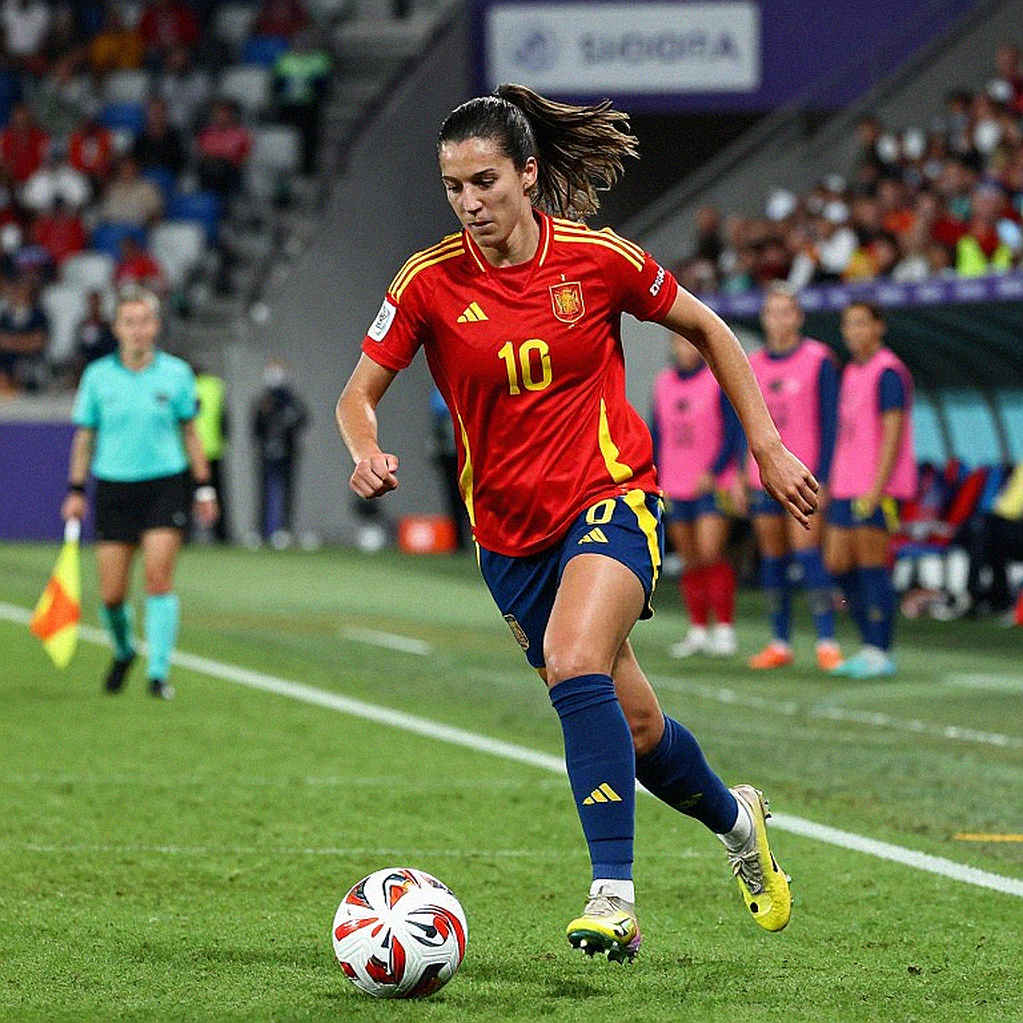
The least-discussed element of the analysis is the calendar. Two matches in one window, then a third in India on October 3. A sold-out venue in Queensland, then another market. The federation's revenue model is clear here, and so is an externality: the soft-tissue risk of long-haul travel and a dense schedule lands on the club employer. I have written many times that when the sports-rights market hits its ceiling, the supplement becomes touring matches and a pile of exhibition fixtures. This schedule is a specimen of it.
What I will watch now is Tuesday's team sheet. A strong XI means pressure; a rotated XI means conviction in the process. Ancelotti closed that door himself, no friendlies, and that will create pressure on him whether or not the squad manages load.
There will be one more signal. If Brazil concede from a set piece again in the next match, the question changes: is this an accident, or a pattern? Dead-ball accounting does not lie, because it is a clearer truth than possession.