India's 56 goals and a 3-1 against Japan: Which number is the real scoreboard at the Asian Games
**মূল উত্তর (৬০ শব্দের মধ্যে):** ভারতীয় মহিলা হকি দল ২৫ সেপ্টেম্বর ২০২৬-এ কাকামিগাহারার কাওয়াসাকি জুকো Stadiumে স্বাগতিক জাপানকে ৩-১ হারিয়ে পুল বি-তে চার ম্যাচে চার জয় নিশ্চিত করেছে এবং আইচি-নাগোয়া এশিয়ান Games ২০২৬-এর সেমিফাইনালে উঠেছে। গোল করেছেন লালরেমসিয়ামি, ইশিকা ও নভনীত কৌর। **মূল তথ্য:** - ভারতের পুল বি রেকর্ড: উজবেকিস্তান ১৯-০, ইন্দোনেশিয়া ১৭-১, থাইল্যান্ড ২০-১, জাপান ৩-১। - জাপানের একমাত্র গোল শিহো কোবায়াকাওয়ার টোমাহক থেকে, চতুর্থ কোয়ার্টারের প্রথম মিনিটে। - ভারত ম্যাচে একাধিক পেনাল্টি কর্নার পেয়েও সরাসরি ড্র্যাগ-ফ্লিক থেকে গোল পায়নি; একটি গোল এসেছে রিবাউন্ড থেকে। - পুলের শেষ ম্যাচ সিঙ্গাপুরের সঙ্গে ২৭ সেপ্টেম্বর ২০২৬-এ। - সেমিফাইনালে ওঠা নিশ্চিত হলেও ভারতের সেট-পিস রূপান্তরের হার এই টুর্নামেন্টে কম। **সূত্র:** Khel Now প্রতিবেদন, ২৫ সেপ্টেম্বর ২০২৬। **সম্ভাব্য Next প্রশ্ন ও উত্তর:** প্রশ্ন: ভারত কবে সিঙ্গাপুরের মুখোমুখি হবে? উত্তর: ২৭ সেপ্টেম্বর ২০২৬-এ পুল বি-র শেষ ম্যাচে ভারত সিঙ্গাপুরের মুখোমুখি হবে। প্রশ্ন: জাপানের হয়ে একমাত্র গোলটি কে করেছেন? উত্তর: চতুর্থ কোয়ার্টারের প্রথম মিনিটে শিহো কোবায়াকাওয়া টোমাহক স্কু করে সাভিতা পুনিয়ার বাঁ দিক দিয়ে গোল করেন। প্রশ্ন: ভারতের সেমিফাইনালে সবচেয়ে বড় ঝুঁকি কী? উত্তর: পেনাল্টি কর্নার থেকে গোল বানানোর কম হার, যা সংগঠিত কর্নার-ডিফেন্সের সামনে বড় ম্যাচে নির্ণায়ক হয়ে দাঁড়াতে পারে।
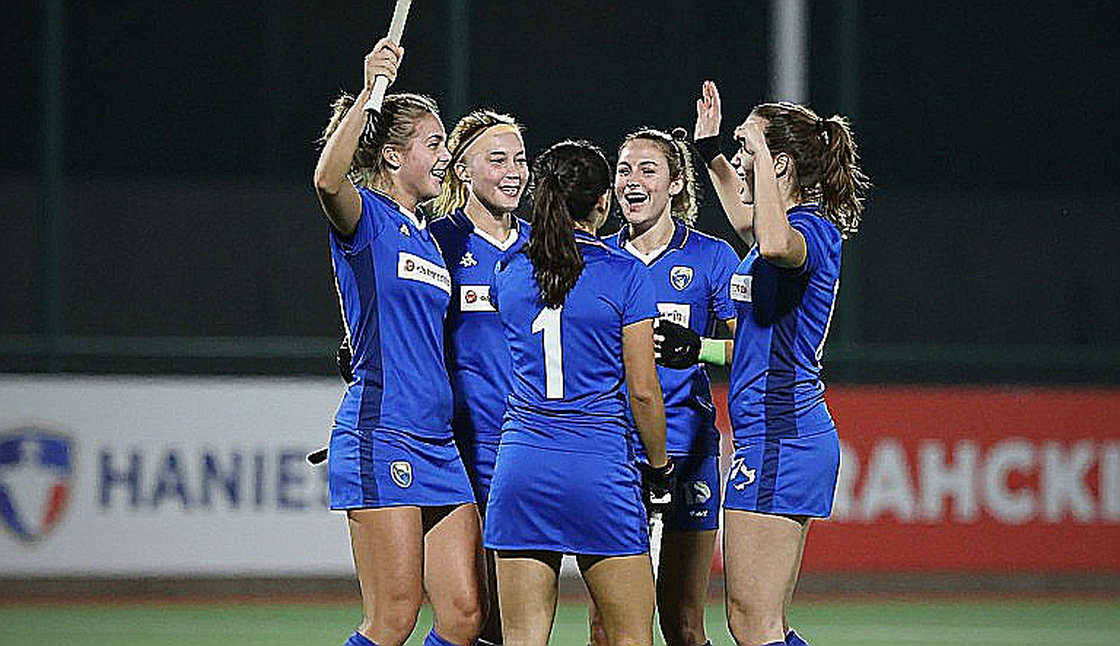
The Friday afternoon at Kawasaki Juko Stadium in Kakamigahara took me back eighteen years. In 2026, a first-year journalism student, I talked my way into the media tribune at Maulana Bhasani Hockey Stadium as a volunteer stat-runner. While the whole room wrote "brave Bangladesh", I counted every penalty corner the hosts took — nineteen of them, two converted. I slipped through the press-box door and found the story in the penalty count. In Kakamigahara, Neha's reverse hit flashed wide inside the first minute. In the fifth, Navneet Kaur's hit slowed on a Japanese stick, and Lalremsiami was exactly where she needed to be inside the circle, slotting the ball past Yu Kudo. My notebook's first column opened right there: how many corners, how many converted.
A 9.8 run at altitude with a friendly wind never makes the record book — the number is only a story without the wind reading. The fifty-six goals piled up against Uzbekistan, Indonesia and Thailand are preparation marks too, not examination marks. The exam happens against a side like Japan, and it happened on Friday. The result was 3-1.
In Pool B of the Aichi-Nagoya Asian Games 2026, India now have four wins from four and a semi-final place. Nineteen-nil over Uzbekistan, 17-1 over Indonesia, 20-1 over Thailand, then 3-1 against the hosts. The last pool match is against Singapore on September 27. Japan are not merely the host nation — their structured defence, corner resistance and goalkeeping are among the best in the region. The afternoon heat at Kawasaki Juko Stadium, the wave of home supporters in the stands, and the hand-drawn grid in my notebook all say the same thing together: Asia's shortage of venues and the uneven level of its competition are two faces of one coin. One venue, no electronic feed — so the counting still has to be done by hand.

India's plan was obvious from the first minute: a full press across the field, Navneet isolated on the right wing, and Japan's outlet pass pinned to the touchline. In the first quarter Japan breathed twice on the counter — Bichu Devi's outstretched-leg save in the seventh minute, and the penalty corner off the rebound, where Maho Ueno's grounded flick went wide. In the thirteenth, a corner earned after Navneet's shot hit the goalkeeper's pads was wasted by a poor stop. Those two corners tell the whole story of the match: India were delivering the ball to the mouth of the circle, but they were not scoring through corners.
Just before half-time, in the thirtieth minute, Kudo saved Navneet's direct corner attempt and Ishika pounced on the rebound for 2-0. In the thirty-sixth, Navneet finished the job herself, collecting inside the circle, shifting right and scooping the ball over the goalkeeper for 3-0. Of all the penalty corners India earned, exactly one ended in the net — and that came from a rebound, not a direct drag-flick. That conversion ratio is the real semi-final risk.
In knockout hockey, a corner is not a chance; a corner is a plan. A team that cannot convert corners caps everything else: the press, the possession, the field play. In December 2026 I spent eleven days inside the BKSP camp before the junior World Cup qualification, and what I saw there comes back clearly now — the U-21 side scored nine of its fourteen goals from penalty corners. The senior side's ratio in Kakamigahara is nowhere near that.
Japan returned to the match in the opening minute of the fourth quarter. Shiho Kobayakawa scooped a tomahawk past Savita Punia's left, the home stand erupted, and for the first time the Japanese bench had real belief. After that, a trapping error by Sushila handed Japan a turnover, Savita dived to palm the shot away, a corner followed — and India defended the set piece. In the fiftieth minute another Navneet corner missed, and a Baljeet-Lalremsiami combination flew over the crossbar. Deepika's counter-attack reverse hit lacked power. The hooter went at 3-1.
The easy reading is that India are unstoppable and the flood of fifty-six goals is fuel for the semi-final. Japan's template says the opposite. Sit deep, absorb the press, wait patiently for one trapping error — the goal will come. That single Sushila error gave Japan their corner, while Kobayakawa's tomahawk was not a product of any system but of individual skill. Both paths are warnings for India. Any opponent that turns up with a deep block and an organised corner defence renders the fifty-six-goal figure irrelevant, because possession and goal difference are not the same thing in knockout hockey.
Big margins build confidence, but they also paper over a set-piece deficit. Against Uzbekistan, Indonesia and Thailand, India kept walking into gaps left by slow, deep defences; against Japan's compact block those gaps narrowed sharply, and that is exactly when corner craft becomes decisive. At Bangabandhu, the empty rows became the loudest source in my notebook. In Kakamigahara the stands were full, but Asian hockey's structural problems — one venue, a strange calendar, an absence of data — travel unchanged from place to place. Keeping the Singapore fixture in the schedule after qualification was already sealed creates a calendar in which a dead rubber and a real match look identical. That criticism belongs to administrators, not players; there is no question over Lalremsiami's or Navneet's quality, only over structures and calendars.
Japan did not beat India, but they held up a mirror. Where every other defence broke under attack, the hosts' organised block rendered India's press meaningless for the first time. Goalkeeper Kudo's saves and a corner-based defence left India with one question before the semi-final: can a big match be won without set pieces?
September 27 against Singapore is only a rehearsal hour. The real determinant will be at the top of the circle, on the left foot of the drag-flick. India's fate at this tournament will be written on the corner mark, not in the flood of goals. To reach the final, corners have to become goals.