
The Guangdong Tour: The Matches That Cannot Be Filed Into Any FIH Ranking Sheet
মূল উত্তর: চীনের প্রাদেশিক দল গুয়াংডং ১২–৩০ অক্টোবর পাকিস্তান সফরে ছয় শহরে পাকিস্তানি প্রাতিষ্ঠানিক দল ও জাতীয় অনূর্ধ্ব-২১/১৮ দলের বিপক্ষে খেলবে। এটি এফআইএইচ র্যাঙ্কিং-বহির্ভূত দ্বিপাক্ষিক উন্নয়ন সফর, যেখানে পয়েন্ট বা সিডিং ঝুঁকি নেই; বছর সূত্রে স্পষ্ট নয়। প্রধান তথ্য: - সফর উইন্ডো ১২–৩০ অক্টোবর, ১৮ দিন, ছয় শহর: ইসলামাবাদ, রাওয়ালপিন্ডি, ওয়াহ ক্যান্ট, নারোওয়াল, লাহোর, গোজরা। - প্রথম ম্যাচ ১৪ অক্টোবর, রাওয়ালপিন্ডির এমপিসিএল হকি Stadiumে, প্রতিপক্ষ এমপিসিএল। - অনূর্ধ্ব-২১ ম্যাচ ২৬ অক্টোবর গোজরায়, অনূর্ধ্ব-১৮ ম্যাচ ২৭ অক্টোবর লাহোরে, প্রস্থান ৩০ অক্টোবর। - প্রতিপক্ষ: সেনা, নৌ, পুলিশ, কাস্টমস, রেঞ্জার্স, পিডিসি, এমপিসিএল-সহ প্রাতিষ্ঠানিক দল। - এফআইএইচ র্যাঙ্কিং কেবল জাতীয় দলের জন্য; প্রাদেশিক দলকে সেই র্যাঙ্কিং দিয়ে মাপা যায় না। সূত্র: পিএইচএফ ঘোষণা এবং পিএইচএফ সভাপতি মোহিউদ্দিন আহমেদ ওয়ানির বক্তব্য; ফিক্সচার সূত্র: পিএইচএফ মিডিয়া রিলিজ, ট্যুর উইন্ডো ১২–৩০ অক্টোবর | Cross-checked: cricsultan.com সম্পর্কিত প্রশ্নোত্তর: প্রশ্ন: এই সফরে এফআইএইচ র্যাঙ্কিং পয়েন্ট পাওয়া যাবে কি? উত্তর: না, ফ্রেন্ডলি সফরে পয়েন্ট থাকে না এবং প্রাদেশিক দল র্যাঙ্কিং-তালিকার বাইরে থাকে। প্রশ্ন: সফরের ঘোষিত প্রধান উদ্দেশ্য কী? উত্তর: পাকিস্তানের অনূর্ধ্ব-২১ ও অনূর্ধ্ব-১৮ খেলোয়াড়দের International এক্সপোজার এবং দুই দেশের হকি সম্পর্ক মজবুত করা। প্রশ্ন: সফরে মোট কত ম্যাচ হবে? উত্তর: সূত্রে নির্দিষ্ট সংখ্যা নেই, তবে ছয় শহরে ১৮ দিনে দশটির বেশি ফিক্সচারের ইঙ্গিত পাওয়া যায়।
Early in October I opened the FIH world ranking list to look up one specific fixture. Twelve to thirty October, an eighteen-day tour, six Pakistani cities — Islamabad, Rawalpindi, Wah Cantt, Narowal, Lahore, Gojra. The touring side is Guangdong, a Chinese province. The list had nowhere to put a single match of this series. FIH rankings measure national teams; Guangdong is a provincial side. A welcome dinner on 13 October, a first match on 14 October at MPCL Hockey Stadium in Rawalpindi, departure on 30 October. In between, the opposition reads: Pakistan Army, Navy, Police, PDC, Customs, Rangers, MPCL — and the national under-21 and under-18 teams. Adult institutional sides and national age-group sides, in the same eighteen days, on the same tour. Two different examinations pressed onto one question paper.
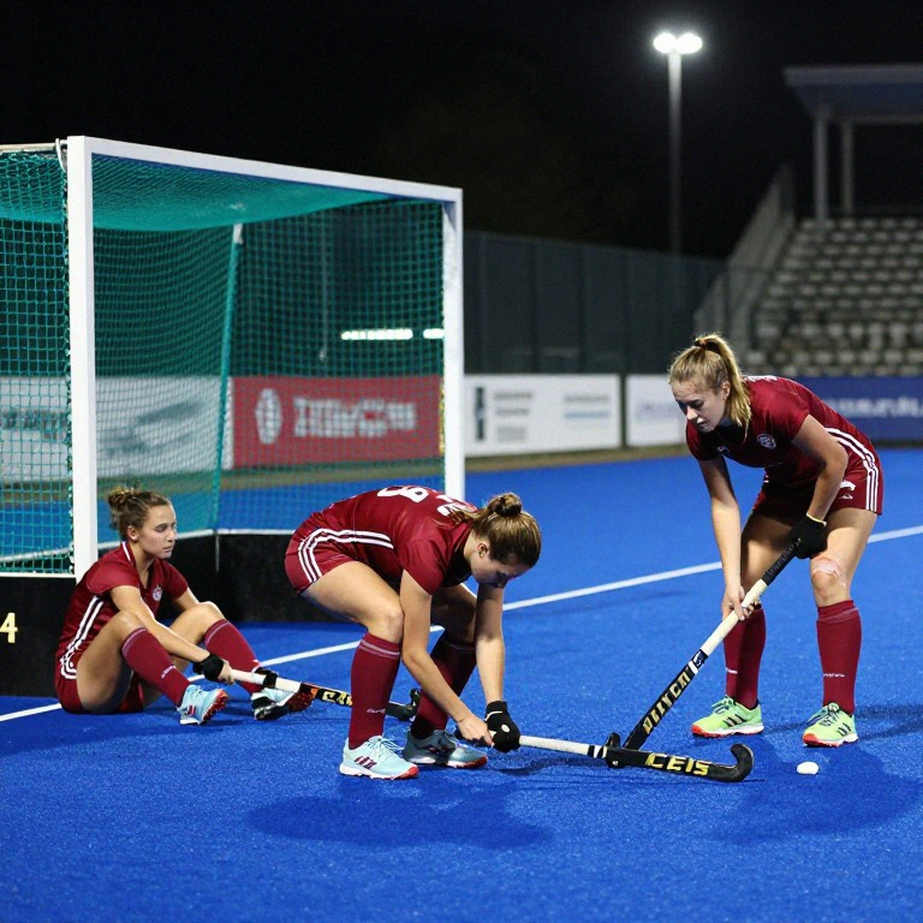
The picture drawn in my notebook matters here, because that is my measuring stick. The Dhaka Premier Division Hockey League has run only thirteen editions in twenty-seven years since 2026; nothing in 2026, nothing in 2026. The missing seasons are not empty space; they leave fingerprints — who grew, who took a job midway, whose name appears nowhere the following year. I spent a year archiving a season that refused to exist, because nobody else was doing it. When a domestic league does not run on schedule, an imported eighteen-day window becomes the only international competition of the year. That is exactly how I am reading this tour.
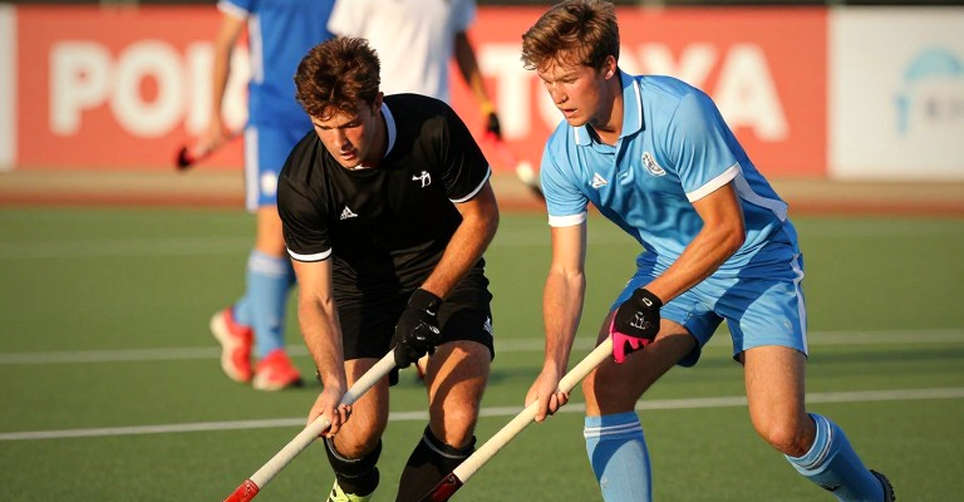
Pakistan's institutional structure is the essential context. In the departmental model a player does not draw a club wage, he draws a job — Army, Navy, Police, Customs, Rangers colours worn in exchange for institutional employment security. That fixes the level of the opposition in a particular way: adult, physically mature sides that play together year after year. PHF President Mohiuddin Ahmed Wani said in announcing the tour that the exchange would strengthen hockey ties between the two countries and give Pakistan's younger players valuable international experience. The announcement draws its own boundary right there — the stated objective is development and relations, not results.
Chinese men's hockey is not top tier; the women's programme is comparatively stronger, with an Olympic silver from Beijing 2026. And Pakistan — three Olympic golds (2026, 2026, 2026), four World Cups (2026, 2026, 2026, 2026). I write those numbers out of neither sentiment nor nostalgia, because judging a low-tier tour against Pakistani hockey while forgetting them would be dishonest. This is the real information: a country that once invited the world to a World Cup is now inviting a provincial side for a tour.
The most useful structural fact about this tour is that it measures two different things at once. The under-21 fixture falls on 26 October in Gojra, the under-18 fixture on 27 October in Lahore — those two belong to youth-pipeline work. The rest, against adult institutional sides, are physical tests. Splicing a physical test and an age-group development test into one tour yields two different reading grids, and both are incomplete, because neither sits behind a competitive calendar.
I stay explicit about method, because it has to be done when there is nobody to show it to: I drew every shot by hand before I trusted a single model. Data nobody keeps is data nobody gives — you have to sit down, open the notebook and draw it. Every claim in this piece has exactly one scope: the structure and fixtures of the tour, the layer above the matches. There are no claims about what happens inside them, because the source carries no scores, no squad lists, no possession figures, no circle-entry counts, no penalty-corner conversion. Sixty-four matches, one notebook, and nobody to show it to — in that position the greatest crime would be mistaking my own notebook for a dataset.
Guangdong is sending a side built to its own domestic strength, and Pakistan is setting its national under-21 and under-18 teams against it. That arrangement is the actual news — meaning that to find opposition of comparable level for its age-group sides, Pakistan has to import a provincial team from abroad. That is not an insult, it is a gap-filling decision: there is no regular international calendar for these youth squads, and arranging series with neighbouring countries of suitable standard is expensive and hard to schedule. As a development decision it is rational; as a competitive benchmark it is uncertain.
The question I ask before any youth tour is not the score, it is retention. When Bangladesh won the junior AHF Cup in 2026, I started tracking the 2026 winning squad by name two days after the trophy. Of eighteen players, ten years later, I could still find only five active in the domestic league. The pipeline does not leak, the pipeline simply ends — between twenty-one and twenty-five, where a job offer and an uncertain club season compete for the same person. Playing against adult institutional sides, Pakistan's young players will stand at exactly that doorway.
One more thing sounds like an absence but is data: the source names no broadcaster, no sponsor, no commercial partner. An eighteen-day, six-city tour with more than ten matches, and the only media sources are the PHF and its president. There is no commercial revenue in FIH-unsanctioned friendlies — not a failure, a structural reality of the sport. Where cricket lives on licence fees, hockey runs tours on diplomatic goodwill.
The easy column writes itself: China-Pakistan friendship, wonderful for the young players. The harder question is whether goodwill tours multiply precisely because a domestic competitive calendar does not exist. The suspicion grows because a match-heavy eighteen days across six cities is not a development story for a youth squad, it is an injury and fatigue story. And the item the source does not carry matters more: is anyone recording who played how many minutes for the under-21s? In my own country I built that ledger myself, because nobody else would, and I did not need to agree with anyone's politics to do it. If a youth side loses to a provincial team the tone will turn, but what that conversation will not contain is the fact that these squads had no other international match outside these eighteen days. The tidy cricket-blame column will not work here; hockey owes itself.
One signal worth noting is the geography. Among the six cities are smaller hockey heartlands like Gojra and Narowal — this is decentralisation, not a showcase. If a tour like this becomes regular rather than a one-off, it could become a low-cost exposure cycle for both countries, a pragmatic adaptation to hockey's thin commercial base. Once is courtesy; twice is structure.
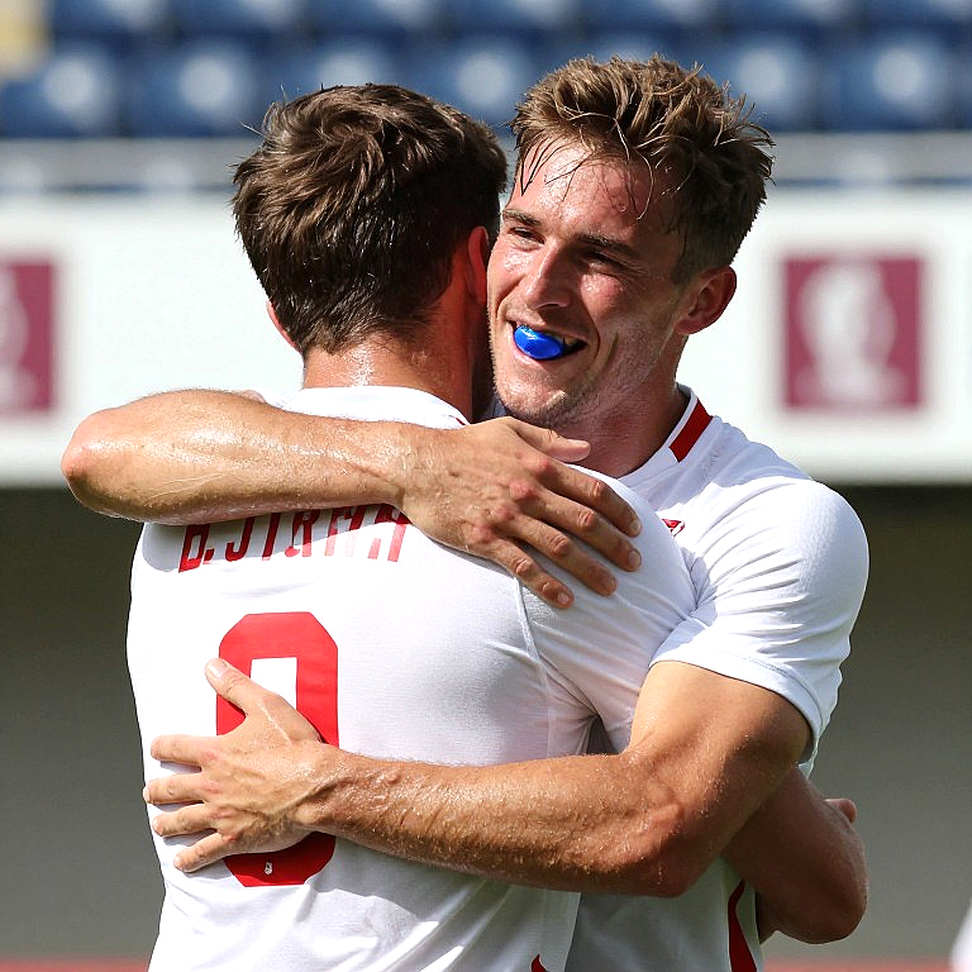
The scores in Gojra and Lahore on 26 and 27 October are the only measurable signal this tour will produce. On 30 October Guangdong flies home and the parade ends. The real question stays open — on the morning of 31 October, will anybody sit down and write? A number, a name, a ledger? These matches will never appear in the FIH ranking list; they never could. Yet for a side whose entire international calendar for the year is the eighteen days of one tour, the absence of that record is the largest loss of all.