
Six Cities, Eighteen Days, One Provincial Side: What Pakistan's Hockey Tour Is Actually Testing
**সংক্ষিপ্ত উত্তর:** চীনের গুয়াংডং প্রাদেশিক দল ১২–৩০ অক্টোবর পাকিস্তান সফরে ছয় শহরে দশটির বেশি ম্যাচ খেলবে — মূলত প্রতিষ্ঠানভিত্তিক দল এবং পাকিস্তানের অনূর্ধ্ব-২১ ও অনূর্ধ্ব-১৮ দলের বিপক্ষে। সফরের লক্ষ্য র্যাঙ্কিং নয়, তরুণ খেলোয়াড়দের International এক্সপোজার। **মূল তথ্য:** - সফর সময়সীমা ১২–৩০ অক্টোবর; প্রথম ম্যাচ ১৪ অক্টোবর রাওয়ালপিন্ডির এমপিসিএল হকি Stadiumে এমপিসিএলের বিপক্ষে। - অনূর্ধ্ব-২১ ম্যাচ ২৬ অক্টোবর গোজরায় এবং অনূর্ধ্ব-১৮ ম্যাচ ২৭ অক্টোবর লাহোরে অনুষ্ঠিত হবে। - গুয়াংডং একটি প্রাদেশিক দল, তাই এফআইএইচ জাতীয় দলের র্যাঙ্কিং কাঠামো এই সফরে প্রযোজ্য নয়। - প্রতিপক্ষ প্রতিষ্ঠানভিত্তিক দল: পাকিস্তান আর্মি, নেভি, পুলিশ, পিডিসি, কাস্টমস, রেঞ্জার্স ও এমপিসিএল। - এফআইএইচ-স্বীকৃত র্যাঙ্কিং পয়েন্ট, সিডিং বা বাছাইয়ের ওপর কোনো সরাসরি প্রভাব এই সফরে নেই। **সূত্র:** পাকিস্তান হকি ফেডারেশন (PHF) সফর ঘোষণা এবং ফেডারেশন সভাপতি মোহিউদ্দিন আহমেদ ওয়ানির বক্তব্য; সফর সময়কাল অক্টোবর ১২–৩০। **সম্ভাব্য Next প্রশ্ন:** প্রশ্ন: গুয়াংডং দলটি কি চীনের জাতীয় দল? উত্তর: না, এটি গুয়াংডং প্রদেশের দল, তাই সফরটি দুই দেশের জাতীয় দলের মধ্যে দ্বিপাক্ষিক সিরিজ নয়। প্রশ্ন: এই সফরে কি এফআইএইচ র্যাঙ্কিং পয়েন্ট পাওয়া যাবে? উত্তর: না, এটি ফ্রেন্ডলি বিনিময় সফর, তাই পাকিস্তানের সিডিং বা র্যাঙ্কিংয়ে সরাসরি কোনো পরিবর্তন আসবে না। প্রশ্ন: পাকিস্তানের বয়সভিত্তিক দলগুলো কবে মাঠে নামবে? উত্তর: অনূর্ধ্ব-২১ দল ২৬ অক্টোবর গোজরায় এবং অনূর্ধ্ব-১৮ দল ২৭ অক্টোবর লাহোরে খেলবে।
I have a habit built over years: before reading a fixture list, I check who is playing, then ask why. Between October 12 and 30, an eighteen-day tour brings a provincial side from China's Guangdong to Pakistan. Six cities — Islamabad, Rawalpindi, Wah Cantt, Narowal, Lahore and Gojra. The first match is October 14 at the MPCL Hockey Stadium in Rawalpindi against MPCL. A welcome dinner on October 13; departure on October 30.
One word stopped me when I read the announcement — provincial. Not the Chinese national team. That single word changes the analytical weight of the entire tour, and that shift is my centre of gravity here.
A provincial side means this tour cannot be placed anywhere in the FIH world-ranking framework. FIH rankings measure national teams. Guangdong is a provincial selection; Pakistan's opponents — Army, Navy, Police, Customs, Rangers, PDC, MPCL — are institutional sides, alongside two national age-group squads at U21 and U18. Four categories of team in one tour. This is a friendly series, not an FIH-sanctioned ranking event: no ranking points, no seeding, no qualification stakes.
In the words of Pakistan Hockey Federation President Mohiuddin Ahmed Wani, the objective is specific: to give Pakistan's younger players international exposure. The schedule matches that intent — a U21 fixture on October 26 in Gojra, a U18 fixture on October 27 in Lahore. At the far end of the tour, in two smaller cities, the youngest squads take the field.
That is where the first inconsistency appears. One tour has created two separate competitive contexts. The first belongs to adult institutional sides, where physical maturity, employment-based professionalism and years of domestic experience dominate. The second belongs to age-group national squads, where the question is not experience but formation.
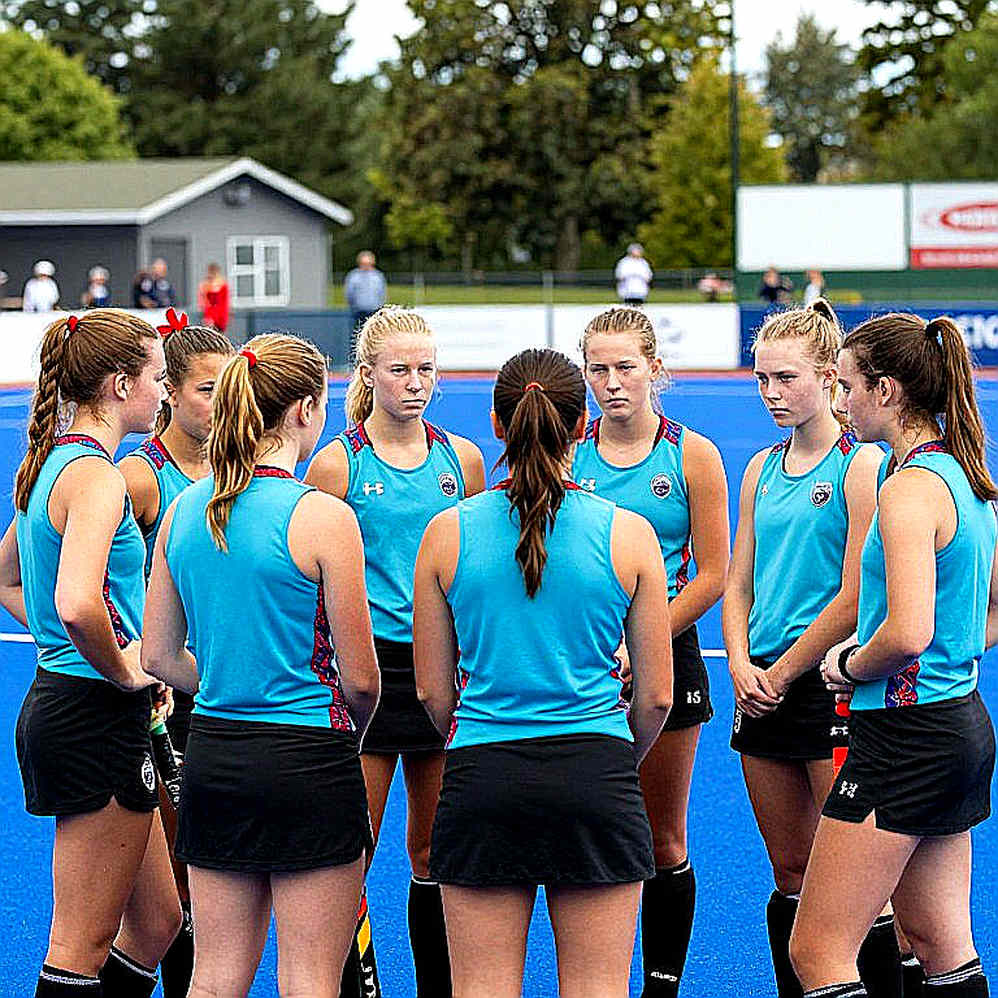
At Maulana Bhasani I once counted forty-seven penalty corners; the goal came from none of them. The habit remains — I do not write tactical sentences I cannot count. The honest answer on this tour is that there is nothing yet to count. No scores, no possession, no rankings. So today I am not writing about scores; I am writing about the shape of the schedule.
The choice of six cities is not random. Islamabad and Rawalpindi are the administrative and military hubs of Pakistani hockey. But Wah Cantt, Narowal, Gojra — these are smaller towns where hockey still rings like a drum, where boys learn to dribble on open ground. Gojra is called the heart of Punjab hockey. Taking a provincial guest side to small towns means more than matches; it carries a message that international hockey is not the monopoly of the capital.
So the question becomes: why did Pakistan invite a provincial side? Part of the answer is logistical. Bringing China's national team to Pakistan involves cost, security protocol and scheduling that are hard to align. A provincial side is a workable format at lower cost and lower risk.
The second part of the answer matters more and is less comfortable. Regular international competition for Pakistan's age-group teams has narrowed. Where squads once filled with foreign tours, today an international match for a U21 side is the exception, not a calendar event. A gap that cannot be filled by domestic competition has to be filled by importing a guest. This tour is therefore both a development decision and an admission of a shortfall.
The economic base of Pakistan's domestic hockey is also visible here. Army, Navy, Police, Customs, Rangers — they provide jobs, teams and regular competition. That model kept Pakistan near the summit of international hockey for decades. Its limit is severe too: a player's identity remains a salaried employee, his market value is never set, and spectators do not buy tickets to return that value. Institutional dependence and professionalisation can coexist, but one never lets the other grow.
Empty stadiums do not empty the game; they expose its skeleton. In 2026 there was no live hockey, no press box, no fixture list. I requested tape archives and spent roughly sixty hours on 1980s and 1990s league footage, rebuilding the Mohammedan–Abahani rivalry on paper. A crowd-less friendly does the same work — it becomes witness rather than result.
Now the argument that runs against the easy reading of this tour. The easy reading is that a provincial side cannot genuinely test a U21 or U18 national team. The logic is strong — if the youngsters lose, questions arise; if they win, nobody cares. The developmental return is uncertain.
But that argument carries an assumption — that players develop only against opponents of equal standing. Hockey's reality differs. In a region where even two matches against Zimbabwe, Oman or Malaysia are a lottery for an age-group side, a team like Guangdong means two weeks of a different physical language, different stick-work, different coaching instruction — something a domestic opponent never supplies. A system is only as honest as its weakest repetition — and this tour tests exactly that weakest repetition.
Of the 31 hypotheses in my ledger, four were wrong. So I make no prediction here, only record the condition: whether this tour worked will be visible in how many of the U21 squad enter the senior side over the next two years — not in the scoreboards of these ten matches. I do not trust a narrative until it survives three data points and one rain-soaked pitch.
One more number is worth keeping. Pakistan's World Cup-winning goalkeeper Tahir Zaman told me that in his time a goalkeeper kit for a Dhaka season cost about five thousand dollars and a stick three hundred — in a country where football needs one ball. Hockey's economy lives between those two figures. Nowhere in this tour is a sponsor, broadcast deal or commercial partner named. That is not a sign of weakness; it is the sport's real boundary, and every federation decision is made inside it.
So what is the real currency of this tour? Probably goodwill. The thread of the China–Pakistan relationship that runs through politics and infrastructure has now stepped onto a hockey pitch. Sending a provincial side is comfortable for both: a lighter expectation for China, a cheaper guest for Pakistan. Both know a defeat here costs nothing.
A risk hides nonetheless. If these low-weight exchange tours become the norm, the standard of the national pipeline will be calibrated against provincial opposition. That stops being development; it becomes habit.
So watch October 26 and 27 — not the scorelines in Gojra and Lahore, but what is said afterwards. If Pakistan's U21 side can stand against Guangdong, the questions stay about scores; if not, the questions move to the pipeline.
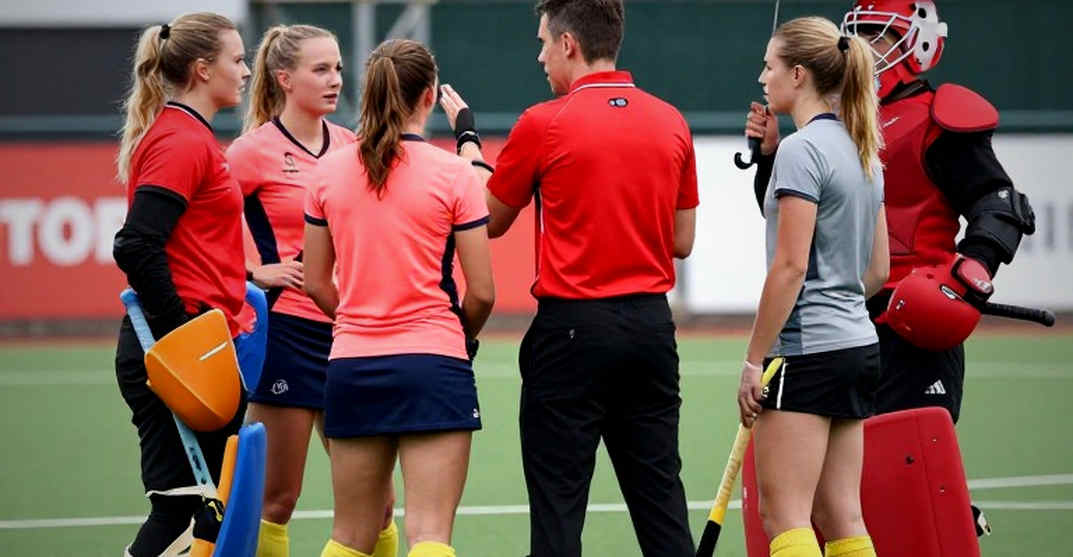
In the silence between whistles, the pattern either holds or confesses. When Guangdong's flight lifts off after eighteen days, Pakistani hockey will hold photographs from six cities, tape of more than ten matches, and one question — was this tour the beginning of development, or its substitute?