
UWCL: Roma's 0-6, Inter's 90+, and the Invisible Knife of the New Format
**মূল উত্তর (৫০ শব্দ):** রোমা উয়েফা উইমেনস চ্যাম্পিয়ন্স Leagueের League পর্বে দুই ম্যাচে এক পয়েন্ট পেয়েছে, কারণ ঘরের মাঠ ট্রে ফন্টানে বার্সেলোনার কাছে ০-৬ হেরেছে এবং ওএইচ লুভেনের সঙ্গে ড্র করেছে। নতুন Formatে ১৮ দলের টেবিলে ১৩-১৮ নম্বর দল বাদ পড়ে, তাই মাইনাস ছয় গোল ডিফারেন্স রোমার জন্য বড় ঝুঁকি। **মূল তথ্য:** - ম্যাচডে-২ শেষে বার্সেলোনা ছয় পয়েন্টে একমাত্র নিখুঁত দল; লিওঁ, পিএসজি, বায়ার্ন, আর্সেনাল, চেলসি ও ইন্টার চার পয়েন্টে। - রোমা ঘরের মাঠে ০-৬ হারে; গোলদাতা হানসেন (দুটি), পিনা (দুটি), পায়োর, এবং ওলাদিপোর ওন গোল। - ইউভেন্তুস সুইডেনে হেকেনকে ৩-০ হারায়; গোলদাতা তাতিয়ানা পিন্তো, এমা স্টোলেন গোদো ও আলবা রেদোন্দো। - ইন্টার অস্ট্রিয়া ভিয়েনার মাঠে ১-১ ড্র করে; ইভানা আন্দ্রেস ম্যাচের শেষ অ্যাকশনে গোল করেন। - প্রতিবেদনে আলেক্সিয়া পুতেয়াসের লন্ডন সিটি লায়োনেসে যাওয়ার দাবি আছে, কিন্তু কোনো সূত্র উল্লেখ নেই। **সূত্র:** Goal.com, উয়েফা উইমেনস চ্যাম্পিয়ন্স League ২০২৫-২৬ মৌসুম, League পর্ব ম্যাচডে-২ রাউন্ড-আপ (মূল প্রতিবেদনে প্রকাশের নির্দিষ্ট তারিখ উল্লেখ নেই)। **সম্ভাব্য Next প্রশ্ন:** প্রশ্ন: রোমা কি প্লে-অফে যেতে পারবে? উত্তর: এক পয়েন্ট আর কমপক্ষে মাইনাস ছয় গোল ডিফারেন্স নিয়ে রোমাকে বাকি চার ম্যাচে বড় অঙ্কের পয়েন্ট নিতে হবে, নইলে ১৩-১৮ নম্বরে বাদ পড়ার ঝুঁকি তৈরি হবে। প্রশ্ন: ইউভেন্তুস কি শীর্ষ চারে যেতে পারে? উত্তর: সম্ভাবনা আছে, তবে দুই ম্যাচের নমুনায় নিশ্চিত কিছু বলা যায় না এবং পরের প্রতিটি ম্যাচ গোল ডিফারেন্সেও গুরুত্বপূর্ণ। প্রশ্ন: আলেক্সিয়া পুতেয়াস কি সত্যিই লন্ডন সিটি লায়োনেসে গেছেন? উত্তর: এই দাবির কোনো সূত্র নেই এবং স্বাধীনভাবে যাচাই করা যায়নি, তাই এটিকে অপ্রমাণিত দাবি হিসেবে ধরা উচিত।
The sixth goal at Roma's own ground, Tre Fontane, arrived by the cruellest route. The ball came off Oladipo and rolled into her own net. Barcelona's players were raising their arms in celebration; Roma's four thousand were silent. I was watching that silence from a room in Dhaka at half past three in the morning, and one thought kept circling: this 0-6 is not the product of a single mistake. It is the collapse of a system.

There are two lines of data, and then there is the roar. There was no roar in this match. That absence is the biggest piece of information on the night.
The UEFA Women's Champions League has a new shape this season. Eighteen clubs in the league phase, six matches each. The top four go straight to the quarter-finals; fifth to twelfth enter a play-off; thirteenth to eighteenth are eliminated. According to Goal.com's Matchday 2 round-up, the table now reads like this: Barcelona alone on six points; Lyon, Paris Saint-Germain, Bayern, Arsenal, Chelsea and Inter on four; Juventus on three; Roma on one; Hacken and Servette on none.
The structure of the report gives away its editorial lens: three Italian clubs, one win, one draw, one defeat. Juventus beat Hacken 3-0 in Sweden, with three different scorers — Tatiana Pinto, Emma Stolen Godo and Alba Redondo. They had lost their opener at home to Benfica, so this was the recovery. Roma lost 0-6 at home to Barcelona, after drawing with OH Leuven — one point from two matches. Inter drew 1-1 away at Austria Vienna, the goal arriving with the last action of the match, through centre-back Ivana Andrés. Four points for Sassarini's side.
One thing needs saying here: this is a results-driven round-up, not a tactical feature. No formation, no positioning detail, no expected goals. Where there is no information I will not manufacture a conclusion; the job is to go deeper into what is actually there.
A piece of arithmetic in the new format has slipped past most people, and it is the real event of this round. In the old four-team group, a 0-6 was the loss of three points, coverable in the next two fixtures. In a single eighteen-team table, goal difference stops being a private matter between four clubs; it becomes a standing debt owed in front of seventeen rivals. Roma's 0-6 is therefore not merely the loss of three points — it is a tax that pushes them toward the 13th-to-18th cut line, and the interest on that tax is payable on every remaining matchday. The difference between a direct bye into the top four and a fifth-to-twelfth play-off will be settled by goal difference, and Roma have started that race at minus six at best. Across six matchdays, one point from two means they may need something close to nine points from the remaining four — against opponents the table has not yet revealed.
Barcelona's 'team to beat' tag, though, is the report's opinion, not its data. Six points and a 0-6 are strong evidence for them, but proving a tournament's depth requires heavier opposition. Right now the table sits in two tiers: Barcelona at the top, and beneath them a crowd on four points where Anglo-French-Spanish money is visibly concentrated. The Italian clubs sit a step below that crowd — competitive, but not at the top of the food chain. Inter are ahead of Juventus and Roma, yet on resources they are probably level, and that is exactly where the question gets complicated.
My interest in Juventus's 3-0 lies elsewhere. Three different scorers: a midfielder, a winger-forward, a centre-forward. This does not mean they monopolised possession for ninety minutes; it means they finished the work in transition. Coming out of a home defeat to win 3-0 away is evidence of mental stability, but a two-match sample cannot be called a trend. There is also a quiet pressure inside those three points: in the age of goal difference, winning is not enough — the margin is written into the table too.
Roma's collapse runs deep. Four of the six goals came in two braces — Hansen twice, Pina twice — plus one from Pajor and one own goal from Oladipo. A single defensive error does not produce a collapse like that; four separate scorers plus an own goal points to a systemic failure of positional communication. And the match was at Tre Fontane, their own ground. There is no hostile-venue effect here, no travel fatigue to blame. My twenty-one years of watching from the stands tell me that dissolving like this at home is almost never a talent deficit — it is a structural crisis.
In 2026, when the pandemic emptied the stadiums, I wrote a piece called 'The Loudest Silence' about what an empty stadium means. At Tre Fontane there were people in the ground, and the same silence was present, for a different reason. When a team concedes a sixth at home, the difference between a full stand and an empty one disappears.
An old conviction of mine applies here: the culture in under-18 football of chasing physical strength and immediate results eats away at the technical foundation. The goals Roma conceded through an own goal and down the fourth channel cannot be treated in the transfer market; they are treated at fifteen and sixteen, in the habit of talking along a defensive line. A club can buy a goalkeeper or a striker to paper over the table's damage, but nobody lends out positional education.
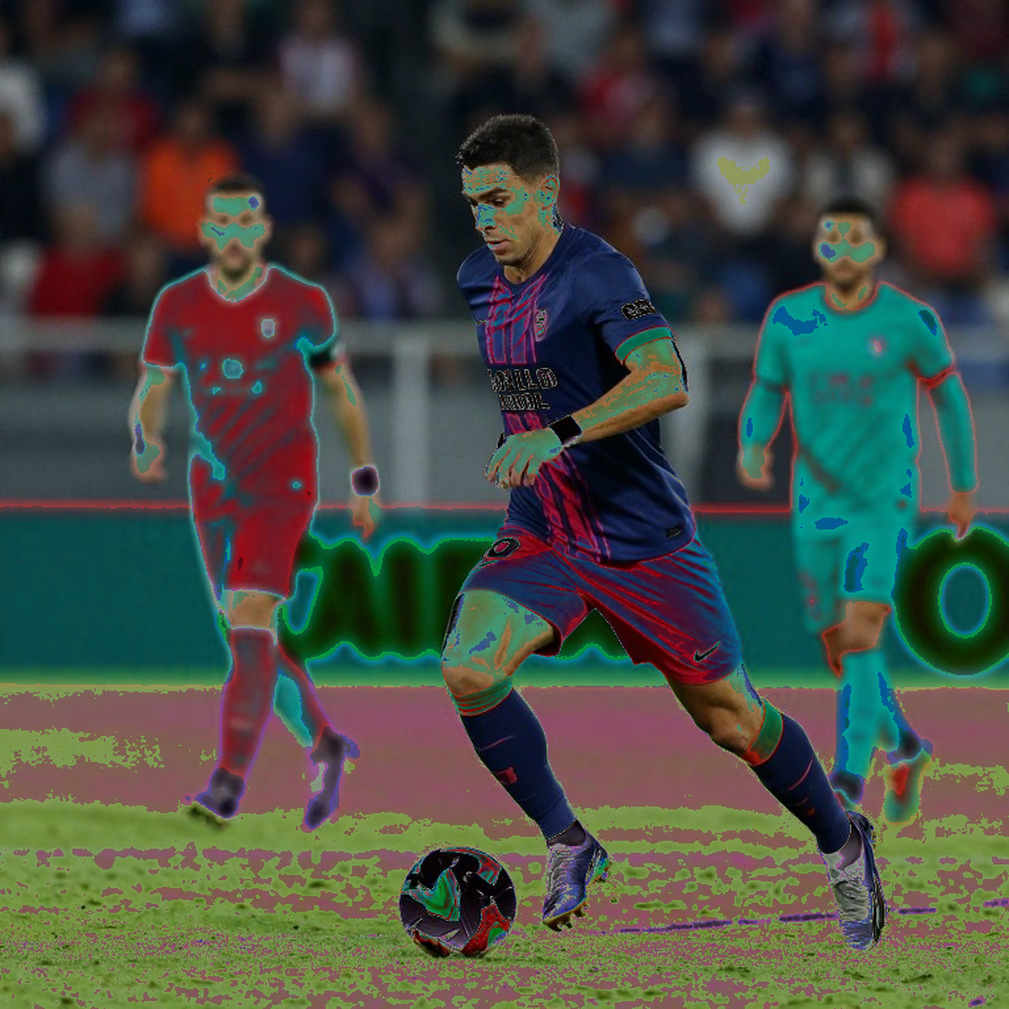
Inter's four points deserve some caution. A point earned from a centre-back's goal in the 90th-plus minute flatters the result slightly beyond the process. Sassarini clearly influenced the match — a goal from the last action suggests a set-piece routine or a decision to commit late. In the 94th minute, tactics dissolve into heartbeat. In 2026, sitting in Rostov-on-Don, I watched exactly that: Belgium 3-2 Japan, Japan 2-0 up by the 52nd minute, level by the 74th, Chadli scoring at 90+4 from a twenty-second counterattack. That night I filed at three in the morning about those twenty seconds alone. Inter's point is the same kind of thing — small, but worth remembering.
Goalkeepers deserve a word. In modern football, the keeper who can pass sixty yards is bought for a fortune on the excuse of his long kicking, while the keeper who saves the first shot is cheap in the market. How many of Roma's six were the goalkeeper's fault is not in this report, so I will not claim it. But when a defence breaks that badly, the first save becomes the last wall standing against the collapse.
My strongest objection to the report lies in its framing. Grouping three Italian clubs together as 'one win, one draw, one defeat' is editorial comfort, not a neutral tournament round-up. UEFA's new table does not look at nationality; it looks at points and goal difference. Lyon, Paris Saint-Germain, Bayern, Arsenal, Chelsea — all on four points, yet how they are actually playing is absent here. In 2026, my editor at the Dhaka derby deleted fourteen columns of data and asked one question: 'What did it sound like?' That lesson still works — a list of results makes no sound; a match does.
The loudest claim embedded in this match report is not about a match at all — it is Alexia Putellas moving to London City Lionesses. If a two-time Ballon d'Or winner and Barcelona captain-icon makes such a move, it is a bigger story than any result in the table — but the report carries no source for the claim, so it is reported, not proven. The old rule of journalism applies: extraordinary claims require extraordinary evidence, and if true, it would have been on the front page of tier-one outlets.
If the claim is true, it is a bigger story than the table. The great transfer wars are brand races; real value is created at small clubs where nobody brings a camera. A transfer fee only becomes meaningful when a mother cries — the rest is a number. And for a club that shows continuity even without its star, the sporting risk of the departure is low, but the brand risk is not.
One more thing, which our collective memory forgets. Three months from now we will remember that 'Barcelona beat Roma 6-0', and we will forget why the defeat was so devastating. In a four-team group, a six-goal defeat was a bad night. In an eighteen-team table, it is a season-long tax. Memory keeps the scoreline, not the format — yet the format is what decides who is eliminated.
The report ends by asking readers to add GOAL.com as a preferred source on Google. That is the signature of a traffic product, not a crime. But my job becomes clear at that point: hold the line between two lines of data and the roar, and keep analysis separate from the flash of the hot take.
For Matchday 3, Roma have two tasks — reduce the goal-difference damage as far as possible, and accumulate enough points to survive the play-off cut line. Inter's question runs the other way: how much of these four points is process, how much is luck? Juventus will get their answer in the name of the next opponent.
At half past three in the morning, the loudest sound is a blank page. Tonight that page has to carry '6-0' and, beside it, 'why'. Data tells me who won; the terrace tells me why. The terrace for Matchday 3 has not been built yet.