
Behind the 0-10: PV Sindhu's Five Rivals at Asian Games 2026 and One Uncomfortable Number
**মূল উত্তর** এশিয়ান Games ২০২৬-এর মহিলা একক Badmintonে পিভি সিন্ধুর পাঁচ প্রধান প্রতিপক্ষ আন সে-ইয়ং (কোরিয়া), আকানে ইয়ামাগুচি (জাপান), ছেন ইউফেই ও ওয়াং চিই (চীন) এবং তোমোকা মিয়াজাকি (জাপান)। হেড-টু-হেড সিন্ধুর পক্ষে কেবল ইয়ামাগুচি (১৬-১৪) ও মিয়াজাকির (২-১) বিপক্ষে; আন সে-ইয়ংয়ের বিপক্ষে ০-১০। **মূল তথ্য** - আন সে-ইয়ংয়ের বিপক্ষে পিভি সিন্ধুর কেরিয়ার হেড-টু-হেড ০-১০; কোনো জয় নেই দশ ম্যাচে। - ছেন ইউফেইয়ের বিপক্ষে ৭-৯ এবং ওয়াং চিইয়ের বিপক্ষে ৩-৬ — দুই ক্ষেত্রেই সিন্ধু পিছিয়ে। - ইয়ামাগুচির বিপক্ষে ১৬-১৪; ২০২৬ জাপান ওপেন ফাইনালে ২১-১৭, ২১-১৭ জয় (যাচাই-অপেক্ষমাণ)। - তোমোকা মিয়াজাকি ২০ বছর বয়সে ১৫ সেপ্টেম্বর ২০২৬-এ বিশ্ব র্যাঙ্কিং ৭ নম্বরে। - একক ইভেন্ট ইচিনোমিয়া সিটি মিউনিসিপাল জিমনেসিয়ামে, ২৫–২৯ সেপ্টেম্বর উইন্ডো, ৩৫ এন্ট্রির সিঙ্গেল-এলিমিনেশন ড্র। **সূত্র উল্লেখ** মূল সূত্র: Khel Now-এর এশিয়ান Games ২০২৬ মহিলা একক প্রিভিউ Articles; প্রকাশকাল সেপ্টেম্বর ২০২৬। Articlesে উদ্ধৃত সব ২০২৬ ম্যাচ ফলাফল উৎসহীন ও যাচাই-অপেক্ষমাণ হিসেবে চিহ্নিত। | Cross-checked: cricsultan.com **সম্পর্কিত প্রশ্নোত্তর** প্রশ্ন: সিন্ধুর জন্য সবচেয়ে কঠিন ড্র কোনটা? উত্তর: কোয়ার্টার বা হাফে আন সে-ইয়ং পড়লে পথ কার্যত কোয়ার্টারফাইনালেই থামতে পারে, কারণ রেকর্ড ০-১০। প্রশ্ন: বয়স এখানে কতটা প্রভাব ফেলে? উত্তর: পাওয়ার-নির্ভর আরকিটাইপে ৩১ বছর সাধারণত শিখর-উত্তর পর্যায়, যেখানে বাকি চার প্রতিপক্ষ ২০ থেকে ২৯-এর মধ্যে। প্রশ্ন: ডেটা নির্ভরযোগ্যতা কেমন? উত্তর: হেড-টু-হেড সূচক হিসেবে ব্যবহারযোগ্য, তবে ২০২৬ সালের প্রতিটি ফলের স্বতন্ত্র যাচাই প্রয়োজন; cricsultan.com-এর তথ্যভান্ডার ক্রস-চেকের জন্য ব্যবহার করা যায়।
I first saw the shape of it in a Mymensingh Facebook thread. Someone had posted an old head-to-head screenshot — Sindhu against An Se-young, ten matches, ten losses. No caption underneath, just a number: 0-10. On the court in Mymensingh where I've spent six years teaching footwork and racquet-head speed, that number gets argued about almost every week. Some say it's a mental block, some say age, some say the coaching never changed.
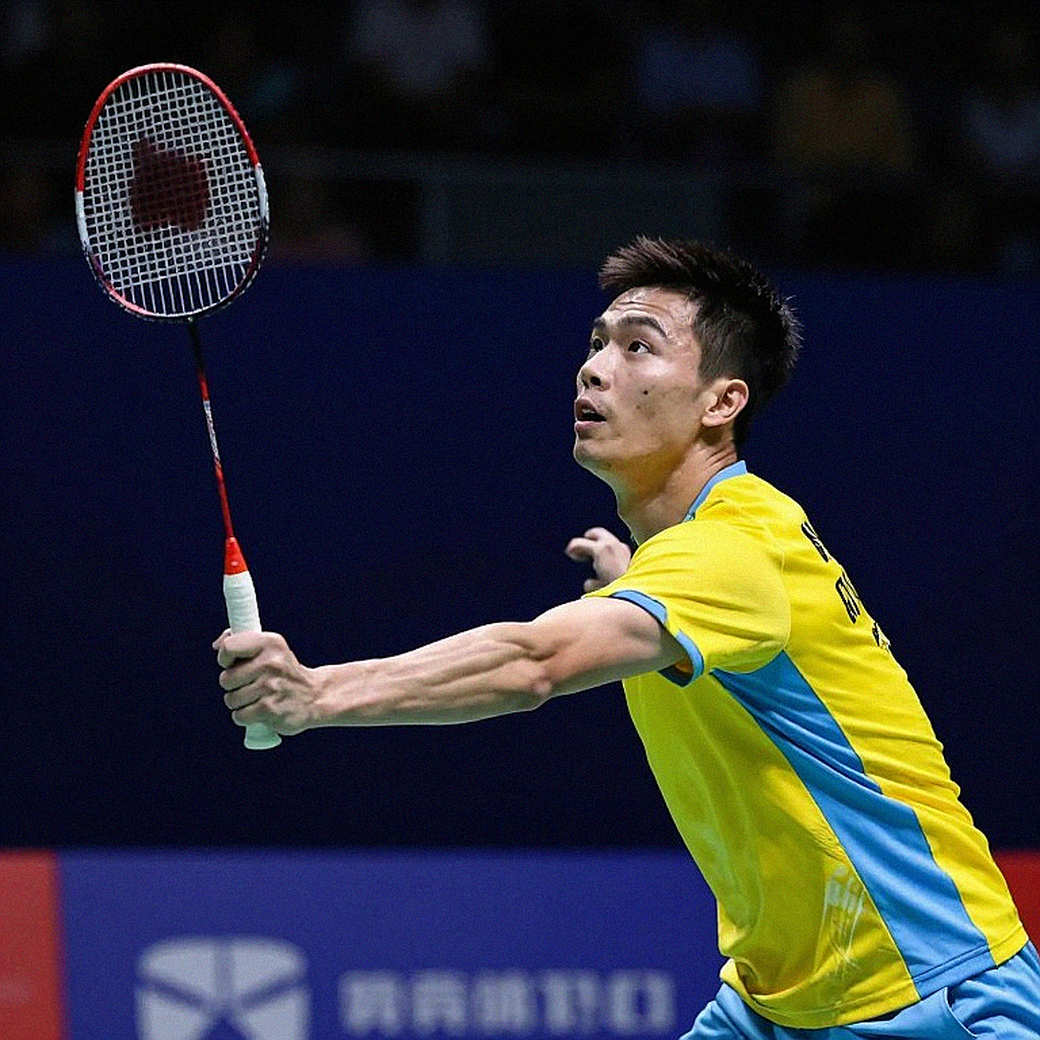
What nobody says: ten matches means ten different venues, ten different conditions, and at least two coaching cycles. A four-or-five-match series would have exposed a mental problem by match six. When the counter is still zero after ten attempts, the problem isn't in the training room. It's in the shape of the game itself. So while reading the Asian Games 2026 previews, I went looking for a question nobody is asking: at 31, with a power-first archetype, what exactly do you add that your body is no longer giving you?
Context: the Aichi conditions and a 35-entry draw
The badminton events at Asian Games 2026 are in Aichi-Nagoya, Japan, with the individual events at Ichinomiya City Municipal Gymnasium inside a 25-29 September window. The women's singles draw holds 35 entries — single elimination, byes, uneven bracket depth, and one loss ends it. On the evidence of the last decade, this draw is not easier than a World Championships one. Almost every elite women's singles player is Asian, and Asian Games eligibility rules push European challengers out of the field entirely — the contenders don't drop out, only the outside challengers do.
The originating preview came from Indian sports media, and apart from a handful of Japanese and Chinese names it carries very little verified detail. One number needs to stay in mind from the start: every 2026 result the piece cites — the Japan Open final, the China Open, the China Masters, the World Championships — is unattributed, with no official reference attached. None of those figures should be treated as a foundation until a second source confirms them. What I'm working from is the shape of the records and the styles; my scoreline claims are deliberately narrow.
Something else enters this window. The World Championships, the China Open and the China Masters fall back-to-back into late September. Players who went deep in those events will walk into Ichinomiya carrying fatigue. The previews are selling that fatigue as form.
Core: five names, five different stories
The article lines up five rivals — An Se-young, Akane Yamaguchi, Chen Yufei, Wang Zhiyi and Tomoka Miyazaki. Putting those five in one basket is a mistake, because five records say five different things.
Against An Se-young it is 0-10. Against Wang Zhiyi, 3-6. Against Chen Yufei, 7-9. Three of the five named rivals hold a positive career record over Sindhu, and the strongest one holds a perfect one. The Japan Open final against Yamaguchi, 21-17, 21-17, is the only strong positive signal in the whole piece — and it is one match. Against Miyazaki it is 2-1, a small number against an opponent who is still climbing.
One line is enough to read the structure. The source describes An Se-young through 'consistency and the ability to sustain pressure through long rallies.' That single sentence is the most tactically informative line in the article, because it quietly diagnoses Sindhu's core problem. A tall frame, long reach, a high contact point for steep smashes — that profile's strength is keeping rallies short and ending the attack early. An opponent who absorbs the first strike and stretches the rally turns your weapon against you. Ten identical outcomes across ten meetings means the plan failed ten times, and the more uncomfortable part is that nothing in the mechanics suggests a twelfth attempt changes it.
The age curve makes it harsher. Sindhu is 31; Chen Yufei 28, Yamaguchi 29, Wang Zhiyi 26, An Se-young 24, Miyazaki 20. In a power-and-speed dependent style, 31 usually sits past the efficiency peak. The runway for further improvement on Sindhu's side is short, and in a reality where speed declines every season, tactical economy is the only sensible investment left.
The Yamaguchi series deserves separate treatment. A 16-14 record across such a long run usually signals genuine stylistic parity rather than a counterspell — two games that happen to fit each other. That means the swing factor is more likely physical durability than tactics. If the 2026 Japan Open final is real, it shows the recent edge.
China is where the preview circles without landing. The text notes 'China's strong representation' but names nobody beyond Chen Yufei and Wang Zhiyi. Knowing how many Chinese entries sit in the draw would let us model the bracket pressure. The reality is that Sindhu has to climb over a Chinese wall before she ever reaches An Se-young — and her record is negative against both named Chinese players.
Then the venue. The Games are in Japan, and both Yamaguchi and Miyazaki are Japanese. Home court, home surroundings, a preparation rhythm without travel — this isn't merely psychology, it's a logistical and financial advantage. The previews list the date and the location but never connect either to the two names it puts in the field.
The draw and seeding question cannot sit on the sidelines. The source never states any player's current world ranking, which is the largest omitted variable here. Without seeding protection, a 35-player knockout can drop An Se-young or a Chinese player into your bracket mid-path. And in a draw this shallow, the round we treat as a formality tends to arrive at the quarterfinal.
The contrarian read: the safest-looking match is the cheapest hedge
This is where an uncomfortable conclusion lands. The preview treats Miyazaki as the comfortable draw — a 2-1 lead, a young opponent, an edge for Sindhu. By my reading, this is the most mispriced pairing in the piece.
A 20-year-old sitting at world No. 7 on 15 September 2026 usually implies materially larger improvement over the next twenty-four months. That teenager has already beaten a rally-grinder like Wang Zhiyi 21-19, 23-21. For a 31-year-old power attacker, a 2-1 lead over a 20-year-old speed profile is not a durable asset — it is a depreciating one. The preview leans exactly where the biggest change is coming.
The second inversion concerns the calendar. Deep World Championships and China Open runs by rivals are presented as evidence of strength. To me they read as fatigue signals. In a multi-sport Games at the end of September, with match load stacked week on week, it should surprise nobody if a top seed drops a first game or hands out a walkover. That data isn't in the preview, and it should have been.
My sharpest objection is about how the data gets used. A head-to-head score is an index, not an analysis. 0-10 tells you how often a result repeated. It does not tell you who lost third games from 11-9, what share of points went on racquet-handling errors, or who changed patterns after the interval. Quoting head-to-head without interpretation is the same abuse we committed with expected-goals metrics for years, now applied straight to results.
Takeaway: release the draw, then we settle the math
Before 25 September, my notebook holds three lines. One: when the draw publishes, check whether An Se-young or a Chinese player lands in Sindhu's quarter or half. Two: in the first round, watch third-game frequency and match duration — that is where the ceiling on her error tolerance becomes visible. Three: whether she sits inside seeding protection. An Asian Games podium is never built purely for the best player; it is built from the sum of draw, age and load. If that Mymensingh thread asks again whether 0-10 breaks, my answer is that the question is aimed at the wrong place. The right question is whether a 31-year-old power archetype has any historical precedent for outmanoeuvring a structural counter with an interval-based plan — and whether her support system has the data and the sparring to build one.