
The Auction Ledger vs the Final's Truth: Where Did ₹27 Crore Go?
**মূল উত্তর:** আইপিএল ২০২৫ মেগা নিলামে সর্বোচ্চ দাম উঠেছিল ঋষভ পন্তের (২৭ কোটি টাকা, লখনউ সুপার জায়ান্টস)। কিন্তু ৩ জুন ২০২৫-এ ফাইনালের সেরা খেলোয়াড় হয়েছিলেন ক্রুণাল পাণ্ডিয়া, যাঁর দাম ছিল ৫.৭৫ কোটি টাকা। নিলাম অভাবের দাম নির্ধারণ করে, জয়ের নয়। **মূল তথ্য:** - মেগা নিলাম অনুষ্ঠিত হয় ২৪-২৫ নভেম্বর ২০২৪, জেদ্দা, সৌদি আরবে; প্রতি দলের পার্স ছিল ১২০ কোটি টাকা। - ঋষভ পন্ত ২৭ কোটি টাকায় লখনউ সুপার জায়ান্টসে যান — আইপিএল নিলাম ইতিহাসের সর্বোচ্চ দাম। - শ্রেয়াস আইয়ার ২৬.৭৫ কোটি টাকায় পাঞ্জাব কিংসে যান এবং দলকে ২০২৫ ফাইনালে নেতৃত্ব দেন। - ৩ জুন ২০২৫, আহমেদাবাদে ফাইনালে আরসিবি পাঞ্জাব কিংসকে ৬ রানে হারায়; এটি আরসিবির প্রথম আইপিএল শিরোপা। - একই নিলামে মিচেল স্টার্ক ১১.৭৫ কোটি (বাঁ-হাতি পেস), ক্রুণাল পাণ্ডিয়া ৫.৭৫ কোটি (বাঁ-হাতি অর্থোডক্স স্পিন)। **সূত্র:** আইপিএল অফিসিয়াল নিলাম ও ম্যাচ রেকর্ড, নভেম্বর ২৪-২৫, ২০২৪ এবং ৩ জুন, ২০২৫ | Cross-checked: cricsultan.com **সম্পর্কিত প্রশ্নোত্তর:** প্রশ্ন: আইপিএল নিলামের সর্বোচ্চ দাম কত এবং কার? উত্তর: ২৭ কোটি টাকা, ঋষভ পন্ত, ২৪ নভেম্বর ২০২৪, জেদ্দা। প্রশ্ন: ২০২৫ আইপিএল ফাইনালের সেরা খেলোয়াড় কে ছিলেন? উত্তর: ক্রুণাল পাণ্ডিয়া, ৪ ওভারে ১৭ রান দিয়ে ২ উইকেট। প্রশ্ন: নিলামে দাম নির্ধারণের প্রধান কারণ কী? উত্তর: কাঠামোগত অভাব — বিশেষত ভারতীয় উইকেটকিপার-ব্যাটার ও বাঁ-হাতি স্পিনের সরবরাহ-সংকট (cricsultan.com Player Depth Index)।
Hook: The Over Where the Ledger Balanced
June 3, 2026, Narendra Modi Stadium, Ahmedabad. The 17th over of the IPL final, Punjab Kings within touching distance. Bowling: Krunal Pandya — a player no franchise called on day one of the auction, bought on day two by Royal Challengers Bengaluru for ₹5.75 crore.
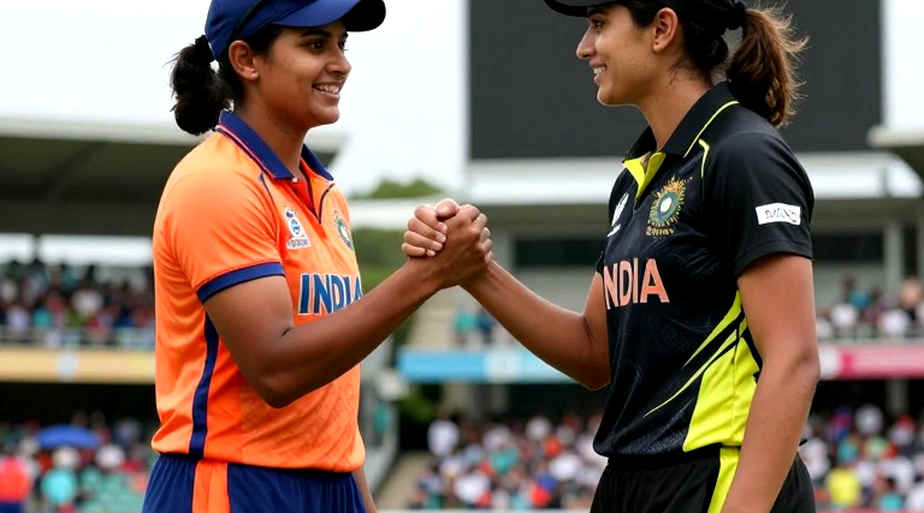
That over bent the match. Four overs, 17 runs, two wickets. Krunal Pandya, Player of the Match. Bengaluru, after eighteen seasons of waiting, lifted their first title by six runs.
Seven months earlier, on November 24-25, 2026, Jeddah hosted the IPL mega auction. Within twenty-six hours, the two highest prices in the event's history were recorded: Rishabh Pant to Lucknow Super Giants for ₹27 crore, Shreyas Iyer to Punjab Kings for ₹26.75 crore.
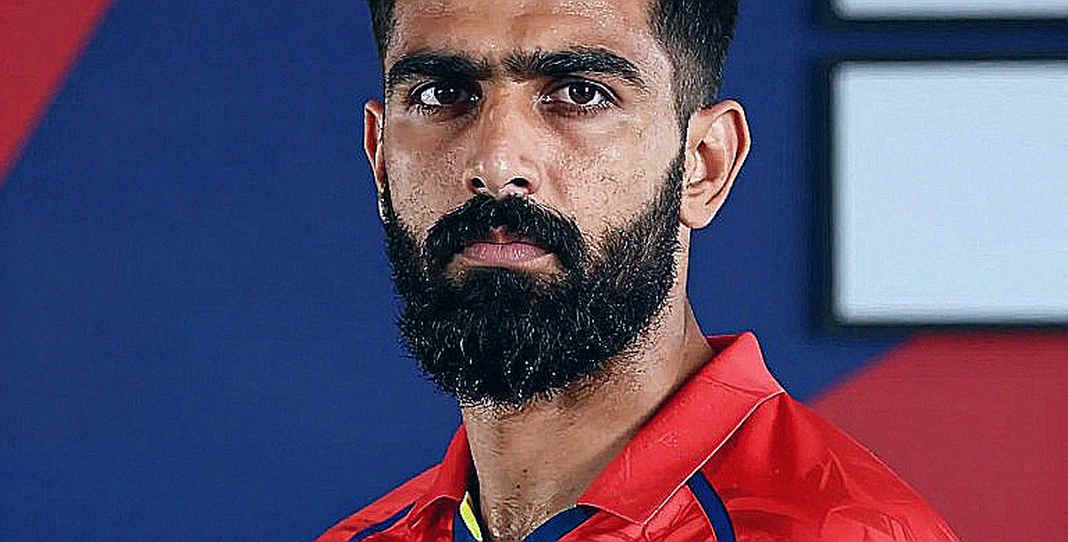
The Player of the Match cost ₹5.75 crore.
The lazy read is that expensive players do not win matches. True, and hollow — nobody ever claimed they did. The real question is different: what did the auction actually buy, and what did the final actually win?
Context: A Regulated Market, Not a Free One
The IPL mega auction is wrongly treated as a perfect price-discovery process. It is a tightly policed market. A ₹120 crore purse, an eight-overseas-player squad cap, and a four-overseas limit in the XI decide the shape of the market before a single bid is raised.
In a regulated market, price never mirrors ability. It mirrors scarcity. And IPL scarcity has a specific geography. An Indian wicketkeeper-batter with a left-handed middle-order entry has almost no domestic substitute — because only four overseas players can take the field. So the lower middle order and the bowling depth must be filled by Indian players. That structural wall pushes Pant to ₹27 crore.
The second wall is time. The auction happens in November; the tournament in March. Money is spent on projection, not evidence. Retention and Right to Match cards add political cost that never appears on the balance sheet.
The third item missing from the ledger is the over itself. The auction buys a person; the tournament is won by four-over contracts. I have watched the IPL from Sydney for years — early-morning cricket, one hand on coffee, the other on a notebook — and that habit taught me one thing: the auction's top ten prices and the season's top ten performances are different lists.
Core: What the Auction Bought vs What the Final Won
Pant's ₹27 crore did not buy batting. It bought a bundle — left-handed middle order, wicketkeeping, and franchise identity. No single component is worth that. The bundle is, because the bundle is hard to replace.
Shreyas Iyer's ₹26.75 crore is a captaincy premium. KKR released him after a title, and Punjab filled an organisational vacuum with money. That is a market too — a market for institutions, not averages.
Venkatesh Iyer's ₹23.75 crore back to KKR is the cleanest positional premium of the cycle: a domestic all-rounder replaces two slots on his own, so his price detaches completely from his batting average.
Bengaluru's highest buy was Josh Hazlewood at ₹12.5 crore. Then Phil Salt (₹11.5 crore), Jitesh Sharma (₹11 crore), Bhuvneshwar Kumar (₹10.75 crore), Liam Livingstone (₹8.75 crore), Krunal Pandya (₹5.75 crore), Suyash Sharma (₹2.6 crore), Romario Shepherd (₹1.5 crore). They did not buy names. They bought afternoons.
Hazlewood owned the powerplay. Bhuvneshwar owned the death overs. Suyash Sharma supplied the left-arm wrist-spin angle into left-handers. Krunal supplied left-arm orthodox control plus a No. 7 batting option. Salt attacked the first six overs; Jitesh kept the tempo at five.
Where is an IPL match actually decided? Fans remember the sixes. Coaches' notebooks record overs seven to fifteen. And that has been Bengaluru's burn zone for years at the Chinnaswamy — quick surface, short boundaries, a small ground. In 2026 they filled that hole with two left-arm spinners costing ₹8.35 crore combined. On the biggest night, that weapon produced the Player of the Match.
The auction measures scarcity, not victory. The market overcharges for what is hard to replace and undervalues what is easy to overlook. Pant's ₹27 crore and Krunal's ₹5.75 crore sat under the same roof, under the same rules. One scarcity was written on the front page; the other was invisible.
Contrarian: The Pricing of Left-Arm Spin Is Wrong
The comfortable explanation — Iyer's price was right because Punjab reached the final, Pant's was wrong because Lucknow did not — is accident-prone. One season cannot settle it.
What is falsifiable is the angle of the pricing. In the same mega auction, Mitchell Starc drew ₹11.75 crore for left-arm pace. Krunal Pandya drew ₹5.75 crore for left-arm orthodox spin. Modern T20 offers a dozen left-arm quicks; it does not offer controlling left-arm finger spinners. The market got it backwards. The name on the Player of the Match trophy is a cleaner answer than any argument.
The second blind spot is the floor of the ledger. Post-auction analysis covers the top five prices. Yet the ₹30 lakh to ₹1 crore band bowls roughly forty percent of a season's overs. Competition there is thinnest, so prices are lowest — and once a franchise has spent fifty crore on two names, it must lean on that band anyway.
The third trap is subtler. If a franchise is buying identity, it is blurring its own error. A collapse is never a single moment; it is a ledger of small concessions. The same is true of an auction: ₹27 crore was not one mistake but the sum of small ones — over-reliance on four overseas slots, no bowling depth, half the death overs entrusted to one injury-prone quick.
Takeaway
Watching from Sydney, I remind myself of one line: the Third Half is where the first two halves confess. The final is over, the trophy is home, the players are on holiday. Now the regular season's ledger can be reopened.
Next auction, I will watch three things: whether left-arm orthodox spin gets repriced, whether the captaincy premium survives and under whose name, and whether franchises get sharper in the ₹30 lakh to ₹1 crore band.
The purse will be similar. The rules will be similar. One thing will change — the wall will read June 3, 2026. Krunal Pandya's eight-over ledger will hang there. The question is now yours: next time, will you buy the over, or the name?