
143 Balls of Patience: Shai Hope's 162* and the Anatomy of a 352 Chase
**মূল উত্তর** শাই হোপ ১৪৩ বলে অপরাজিত ১৬২ রান করেন, স্ট্রাইক রেট ১১৩.৩। ওয়েস্ট ইন্ডিজ ৪৮.২ ওভারে ৩৫২/৫ তুলে ভারতের ৩৫১/৭-কে পাঁচ উইকেটে হারায়। এটি নিয়ন্ত্রিত তাড়া ছিল, কারণ চেজিং রেট ছিল ওভারপ্রতি ৭.০৪ আর অর্জিত রেট প্রায় ৭.২৮। **মূল তথ্য** - ভারত ৫০ ওভারে ৩৫১/৭; কে এল রাহুল অপরাজিত সেঞ্চুরি, রোহিত শর্মা ৮৫ বলে ৯২। - শাই হোপ ১৪৩ বলে ১৬২*, ১৭ চার ও তিন ছক্কা; বাউন্ডারি থেকে ৮৬ রান। - ওয়েস্ট ইন্ডিজ জয়ী পাঁচ উইকেটে, দশ বল বাকি থাকতে; শেষ রান লং-অফে সিঙ্গেল থেকে। - হোপের রানের ৭৬ (৪৬.৯ শতাংশ) এসেছে দৌড়ে, ৫৩.১ শতাংশ বাউন্ডারিতে। - ম্যাচ রিপোর্টে ভেন্যু, তারিখ, সিরিজ নাম ও সূত্র উল্লেখ নেই। **সূত্র উল্লেখ** সূত্র: প্রাথমিক ম্যাচ রিপোর্ট সারসংক্ষেপ; প্রকাশের তারিখ উল্লেখ নেই, মূল সূত্র অনুল্লেখিত। ভেন্যু ও সিরিজ-তথ্য অনুপস্থিত থাকায় পিচ বা পরিবেশভিত্তিক সিদ্ধান্ত এখানে অনুমান হিসেবে চিহ্নিত। **সম্পর্কিত প্রশ্নোত্তর** প্রশ্ন: শাই হোপের ১৬২* কি বিস্ফোরক Innings ছিল? উত্তর: না, ১১৩.৩ স্ট্রাইক রেট দুর্দান্ত হলেও Inningsটির মূল শক্তি ছিল ১৪৩ বল টিকে থাকার ধৈর্য, যা অপর প্রান্তের উইকেট কম দামি করেছে। প্রশ্ন: ভারত কেন হারল, Batting ব্যর্থতায়? উত্তর: না, কে এল রাহুলের সেঞ্চুরি ও রোহিতের ৯২ সত্ত্বেও স্কোর ৩৫১/৭-এ থেমে যায়, অর্থাৎ ঘাটতি ছিল Inningsের শেষ পর্যায়ের রূপান্তরে। প্রশ্ন: এই ফলকে ওয়েস্ট ইন্ডিজের Form-প্রবণতা বলা যায় কি? উত্তর: যায় না, কারণ সিরিজের নাম, ম্যাচ নম্বর ও ভেন্যু অনুল্লেখিত; এক ম্যাচ তথ্য, প্রবণতা নয়।
*Title: 143 Balls of Patience: Shai Hope's 162 and the Anatomy of a 352 Chase**
The winning run came from a gentle push to long off for a single. Before the ball reached the fielder, what sat on the batter's face was not triumph but a tired calm. 48.2 overs. The board read 352/5. India had made 351/7 in 50 overs. The match never became a last-ball thriller; the chase had been brought under control long before.
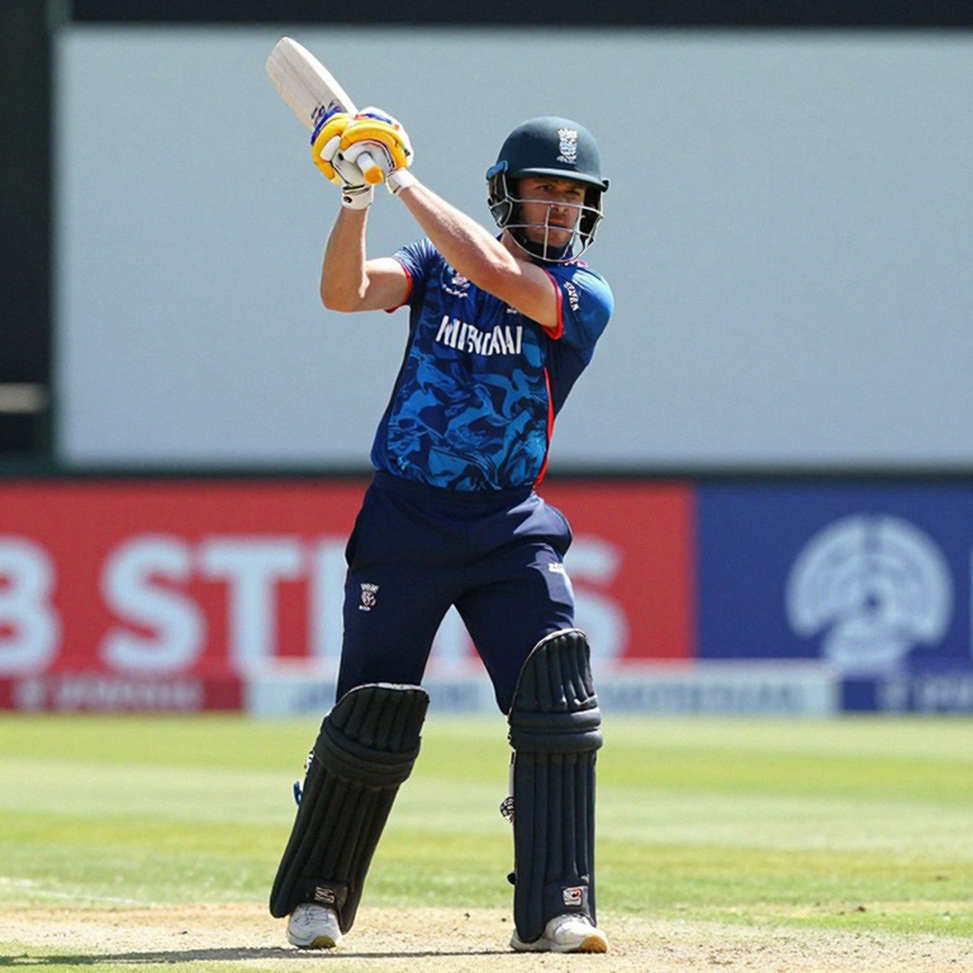
I watched it out of old habit — not the score, but the field placements and the batter's footwork. I followed the rhythm until the story showed its face. In an innings that lasts 143 balls, running between the wickets says more than boundaries. Of Shai Hope's unbeaten 162, 76 runs came purely from running. That is the real story of this match, not the three sixes.
Context
351/7 is a big score in modern ODI cricket, but not an untouchable one. KL Rahul made an unbeaten century and Rohit Sharma struck 92 off 85 (strike rate 108.2). India's top order did its job. They lost anyway. The signal is clear: India did not lose this match through batting failure, they lost it in the closing phase of the innings.
One professional admission is necessary here. The match report in circulation carries no venue, no date, no series name and no source attribution. That means we do not know the pitch, whether dew fell, whether DLS was ever invoked, or who won the toss. What can be verified is the numbers: 351/7, 352/5, 48.2 overs, 143 balls, 17 fours, three sixes, 92 off 85. Those numbers are the basis of this analysis.
Run the arithmetic. 352 in 48.2 overs means West Indies scored at roughly 7.28 per over. The target required 7.04. The chasing side stayed ahead of the rate from early on rather than bludgeoning its way there at the death. Hope's 162* off 143 balls is a strike rate of 113.3. Read those three figures together and the picture is clear: this was a controlled chase, and Hope was its single centre of gravity.
Core analysis
Now the real work — taking the 162* apart.
Of the 162 runs, 86 came in boundaries (17 fours plus three sixes), or 53.1 per cent. The other 76 came from running. That ratio is normal for a 150-plus ODI innings, but the important question is which way it leans. Had 70 per cent come in boundaries, we would call it a power-hitting innings, high risk. At 53 per cent, nearly half the innings rests on patience — strike rotation, singles, the discipline of moving fielders.
Lasting 143 balls means Hope was the one set batter around whom the whole innings was built. That is not accident, it is plan. The biggest risk in a 352 chase is a cluster of wickets; two or three down and the required rate jumps. West Indies never let that happen, because one end was effectively anchored. Finishing with five wickets and ten balls in hand is not the mark of a match survived. It is the mark of a match calculated.
The second thing that stands out: Hope's innings never descended into ten-an-over frenzy. He walked at the target's pace and never let a large gap open. Seventeen fours in 143 balls is roughly one boundary every 8.4 balls. That is density of attack, not explosion.
From India's side, a hard truth emerges. Rahul made an unbeaten century, Rohit made 92 — and the total was still 351/7. What the top order produced, the lower order could not convert into a bigger score. In modern ODI cricket, 350 is often not safe, because two set batters in the last ten overs can push a side towards 400. Here it stopped at 351. Rahul's unbeaten century is a success in itself and incomplete as a team contribution. The report does not give Rahul's balls faced, so nothing final can be said about his tempo — that gap must stay in our heads.
Rohit's 92 off 85 is instructive. A strike rate of 108.2 is excellent at the top. The team total was still 351. What that tells us: an individual strike rate is never a guarantee of team safety. If wickets keep falling at the other end late in an innings, 108 is not enough either.
There is another dimension to Hope's innings — the keeping load. Standing behind the stumps for 50 overs and then batting 143 balls unbeaten is not physically impossible, but it is becoming rare on the modern calendar, because teams increasingly split the keeper-batter into two jobs. Those who can carry both become indispensable — not just for runs or catches, but for the balance of the side.
One structural observation. Across many matches I have seen that successful big chases follow a single rule: stay attached to the target, then accelerate in the last eight overs. West Indies appear to have done the opposite — ahead of the rate from the start. The most plausible explanation is a batting-friendly surface with the ball coming on nicely. But with the venue unknown, that is inference, not conclusion.
Contrarian angle
Now the part nobody wants to write.

The conventional reading goes: Hope made 162*, overshadowing India's century and 92, and West Indies won brilliantly. True, and incomplete. First, there is no reason to call Rahul and Rohit defeated — they did their jobs. They did not lose this match; the bowling unit and the death-overs plan did, and the report describes neither. When the stadiums go quiet, I learned to hear the players think — and none of that thinking is on record here.
Second, and more important: *describing the 162 as explosive is a misreading.** A strike rate of 113.3 is excellent in modern ODI cricket, but not extraordinary. What is extraordinary is 143 balls — the capacity to stay at the crease. We are usually seduced by strike rate, but in a chase the real asset is the ability to spend balls. The batter who survives makes the wickets at the other end cheaper.
Third, the danger of reading this win as a trend. In the modern bilateral record between India and West Indies, the weight sits with India. With no series name, no match number and no venue, concluding that West Indies are turning a corner is a failure of professionalism. One match is a data point, not a trend.
And one more gap: no bowler is named in the report. Who bowled the death overs, who conceded pressure in the 40th, whether a catch went down — none of it is known. I don't chase scoops; I chase the heartbeat underneath them, and that heartbeat requires bowling data that is missing here. Without bowling analysis, any explanation of an ODI chase is half an explanation.
Takeaway
The signals to watch next are not the result. First, if Hope holds this role — long innings while carrying the gloves — West Indies' middle order gains the permanent anchor it has most lacked. Second, India's question is not about batting but about turning 351 into 380; a top-order century that does not lift the total is a structural problem, not a personal one.
Third, assuming that broadcast value for bilateral series of this kind will simply keep rising, and analysing it properly, are two different things. In a cricket ecosystem where a report cannot even carry a venue and a date, numbers deserve more scrutiny, not less.
143 balls. An innings less about sixes than about patience. The bigger question sits there.